 Remington Croft
Where to Donate Medical Equipment in 2026 (7 Places That Take It)
Last updated: September 14, 2026 — donation policies verified against hospice, Project C.U.R.E., MedShare, and reuse-nonprofit pages; first version of this guide.
Reviewed by Emily Holmes, General Reviewer, following our test method.
Where to donate medical equipment? Start with a local loan closet or refurbisher for walkers and wheelchairs. Ship clinical surplus through Project C.U.R.E. Hand unopened supplies to a hospice supply department. You'll place almost everything within a week when you call first with photos ready.
Quick answer: Local loan closets and refurbishers work for most home mobility gear. Project C.U.R.E. and MedShare routes are best when you're donating clinical surplus or bulk supplies. Hospice supply departments and thrift shops are best for unopened supplies and quick local drop-offs. Details below.
Quick Comparison: Where to Donate Medical Equipment at a Glance
Call before you load the car. You'll save a wasted trip, since every shop on this list varies by storage and season.
| Place | What they take | Best for |
|---|---|---|
| Local loan closets | Walkers, wheelchairs, canes, commodes, bath aids | Most home mobility gear |
| Regional refurbishers | Manual and power chairs, scooters, hospital beds, parts | Big items and fixable gear |
| Goodwill and thrift shops | Small mobility aids, shower benches, potty chairs | Easy neighborhood drop-off |
| Hospice supply departments | Unopened dressings, gloves, catheters, mobility aids | Leftover care supplies |
| Project C.U.R.E. | Durable equipment plus consumables from individuals and clinics | Clinical surplus, shipped worldwide |
| MedShare | Hospital and corporate surplus, working biomedical gear | Bulk and facility donations |
| Wheels for the World | Manual wheelchairs, foldable walkers, canes, metal crutches | Wheelchairs fitted abroad |
Dive deeper: How to Get Donation Tax Receipt and Value Guide; How to Schedule Donation Pickup Near You; Medical Equipment Acceptance List Allowed Items.
Directory facts below are per Hosparus Health — Where Can I Donate, Medical Teams International — Donate Medical Supplies, and Project C.U.R.E. — Individual Donations. Equipment rules cross-check in MedShare — Equipment Guidelines.
1. Local Loan Closets Take Walkers and Wheelchairs

A walker with a basket doing daily duty — this is the core loan-closet donation. Illustrative stock photo via Pexels.
A closet full of reminders is hard to face. You'll feel the grief lift a little when the walker rolls out to help a neighbor. That's the whole point of a loan closet.
These volunteer programs lend wheelchairs, walkers, canes, crutches, bath seats, commodes, and hospital beds free to anyone who needs them. One St. Louis program lists walkers, rollators, shower chairs, manual wheelchairs, commodes, and bath rails, and asks for large items at headquarters only. Availability swings with donations, so inventory changes weekly. Most ask that gear be clean, complete, and working.
- Drop off if: your gear is clean with brakes, wheels, and footrests intact
- Skip when: pieces are rusty, broken, or missing parts the volunteers can't replace
- Spec to confirm: hours, storage space, and whether they take hospital beds at all
2. Regional Refurbishers Take the Big and Broken
Some gear needs a shop, not a shelf. You'll want a refurbisher when the chair needs bearings or the scooter needs batteries.
Atlanta's FODAC recycles wheelchairs, power chairs, scooters, walkers, canes, crutches, bath aids, and hospital beds through its warehouse and repair shop. It collects roughly 10,000 items a year to meet demand and holds a four-star Charity Navigator rating. Chicago's Devices 4 the Disabled picks up, fixes, and delivers wheelchairs and walkers to people who can't afford them. These shops even strip dead units for parts, so one functioning chair can rise from two broken ones.
- Give here if: you've got power chairs, scooters, or beds too big for a closet
- Leave it if: the item is biohazardous or custom-molded to one body
- Spec to confirm: pickup radius and whether they repair your model in-house
3. Goodwill and Thrift Shops Take Small Mobility Aids
You'll sometimes just want the errand done today. You'll find thrift drop-offs the fastest of the bunch.
Hospice thrift locations accept wheelchairs, potty chairs, and shower benches, and ask you to clean items first. National wheelchair listings name Goodwill as an acceptor while warning that policies vary by store. That variance is the whole story: one shop takes commodes gladly while the next pauses medical gear when the back room overflows. A two-minute call beats a second trip across town.
- Donate here if: you want a fast receipt run with small, clean aids
- Walk away if: your store pauses medical items or the piece needs repair
- Spec to confirm: today's medical-acceptance rule at your exact location
4. Hospice Supply Departments Take Unopened Care Supplies
That drawer of sealed gauze and gloves still matters. You'll put it to work through a hospice medical-supply office.
Hosparus Health accepts unopened, unexpired supplies across a long list: dressings, gloves, IV sets, and mobility aids. It also takes syringes with sharps containers, ostomy pouches, hygiene items, respiratory tubes, and urinary catheters with drainage bags. It explicitly refuses feeding tubes, oxygen tanks, hospital beds, and lift chairs. Drop-offs run at community offices during business hours, and the thrift shop covers larger home items the supply desk can't take.
- Bring here if: your supplies are sealed, dated, and clearly labeled
- Skip when: packs are open, expired, or missing sterility seals
- Spec to confirm: the current accepted list, since formularies shift yearly
5. Project C.U.R.E. Ships Surplus Around the World
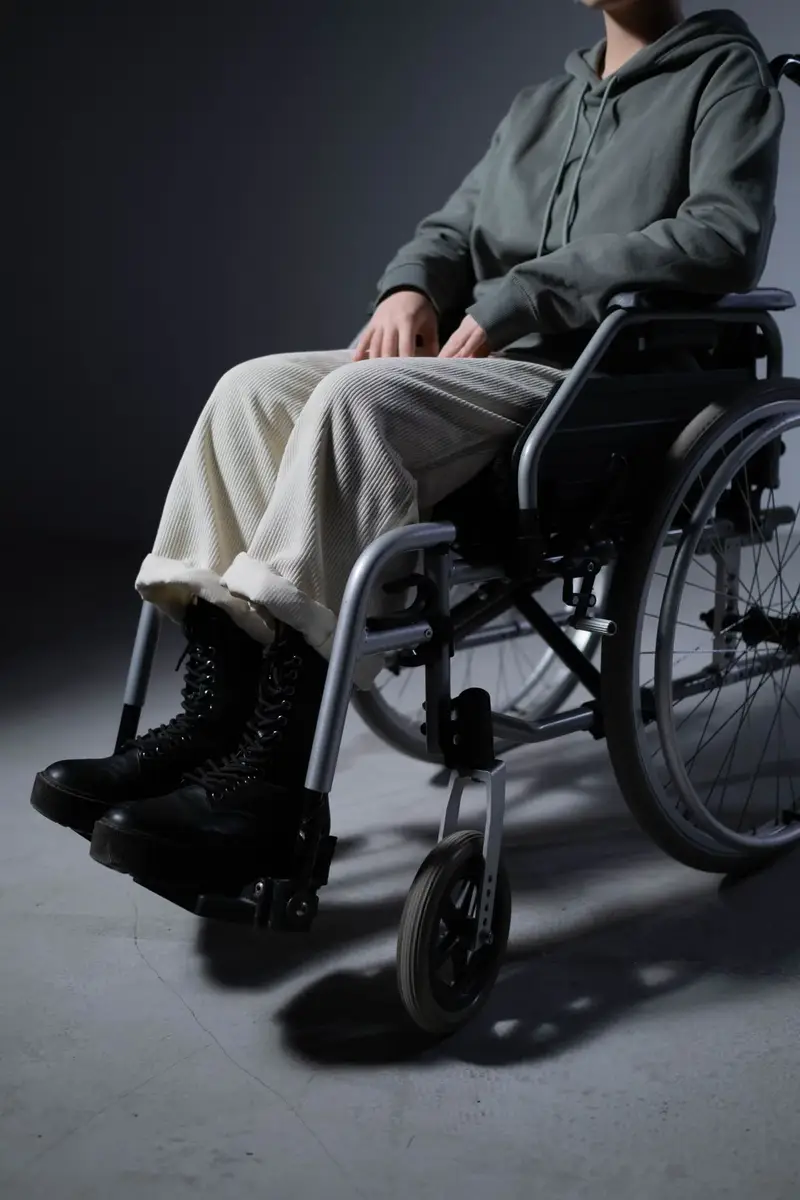
Seated mobility, indoors and independent — the outcome your donation funds abroad. Illustrative stock photo via Pexels.
So which path fits a clinic cleanout or a fully stocked home cabinet? You'll want the shipper built for volume.
Project C.U.R.E., a registered 501(c)3 ranked among Forbes' most efficient large charities, takes durable equipment plus consumables from individuals, clinics, and manufacturers. Its priority list runs from manual wheelchairs and beds to ultrasounds, monitors, suction machines, and surgical instruments. Individuals read the guidelines, submit the procurement form, then drop off or ship to the nearest warehouse. Donations are tax-deductible in full or in part.
- Use it when: you've got bulk supplies or working clinical machines
- Skip it when: items are used-up, contaminated, or past the posted date limits
- Spec to confirm: expiration cutoffs and the nearest receiving warehouse
6. MedShare Takes Hospital and Corporate Surplus
You'll send facility-grade gear here, not the junk drawer. MedShare exists for surplus that regulations force hospitals to discard.
Its recovery program takes unused, unexpired supplies and working biomedical equipment: beds, exam tables, imaging, and surgical gear for under-resourced facilities. General equipment should be under 15 years old and imaging under 10, all in full working order, rust-free, with manuals, cables, and cords included. Individuals can offer new or gently used durable gear and functional devices, though small home pickups generally aren't available. Plan a drop-off at Decatur, Georgia, weekdays 9 to 3:30, and treat your freight cost as part of the gift.
- Worth it when: a practice, clinic, or estate holds working machines with papers
- Leave it when: you're offering motorized wheelchairs, home beds, CPAP units, or expired stock
- Spec to confirm: age, condition, and accessory completeness on the offer form
7. Wheels for the World Fits Wheelchairs Abroad
Some chairs travel farther than the county line. You'll love this path when your wheelchair still has years in it.
Joni and Friends' Wheels for the World collects used adult and pediatric manual wheelchairs, foldable walkers, canes, and metal crutches. Volunteers refurbish each piece, then disability specialists personally fit it to a recipient overseas, where such gear is nearly impossible to get. Collectors work statewide in places like Wisconsin, many willing to pick up, and receipts go to every donor. Similar outfits include Free Wheelchair Mission and the Wheelchair Foundation for global fits.
- Send here if: your manual chair, walker, or crutches are sturdy and complete
- Skip when: the frame is cracked or the chair is power-driven and heavy
- Spec to confirm: collector coverage in your state and pickup timing
How to Choose: Call First With Photos Ready
You'll place gear twice as fast with one five-minute call. You'll wait weeks when you haul first and ask later.
Start with three photos: full item, close-up of labels and model numbers, and any damage. Note size, weight, and whether stairs or narrow doors stand between the item and the truck. Hospital beds and lift chairs always need this review, since parts, space, and handling decide everything. Then call the two nearest options with your list ready. Ask four things: this exact item this week, the condition bar, pickup or drop-off, and the receipt.
- Small and clean: thrift or loan closet, same-week drop-off
- Big or technical: refurbisher or C.U.R.E./MedShare route with parts and manuals
- Spec to confirm: receipt type for your taxes, since 501(c)3 rules vary by gift
What Almost Nobody Takes
You'll save real heartache learning the no-list before you load up. You'll hear the same refusals everywhere.
Oxygen tanks, feeding tubes, and used CPAP or nebulizer machines are refused across hospice, MedShare, and most closets for safety and sanitation reasons. Custom prosthetics and molded seating fit exactly one body, so reuse programs can't place them. Motorized wheelchairs, home hospital beds, and chair lifts are commonly refused for size, wiring, and parts risk — though big refurbishers and C.U.R.E. sometimes take them. Opened or expired consumables go in the trash, not the donation box (hospital beds never fit through that doorway on the first try).
- Never box up: oxygen, open sterile packs, expired meds, or soiled items
- Ask specially about: power chairs, beds, and lifts — refurbisher-only territory
- Spec to confirm: your county hazardous-waste rules for whatever remains
Setup Tips to Get Better Results Faster
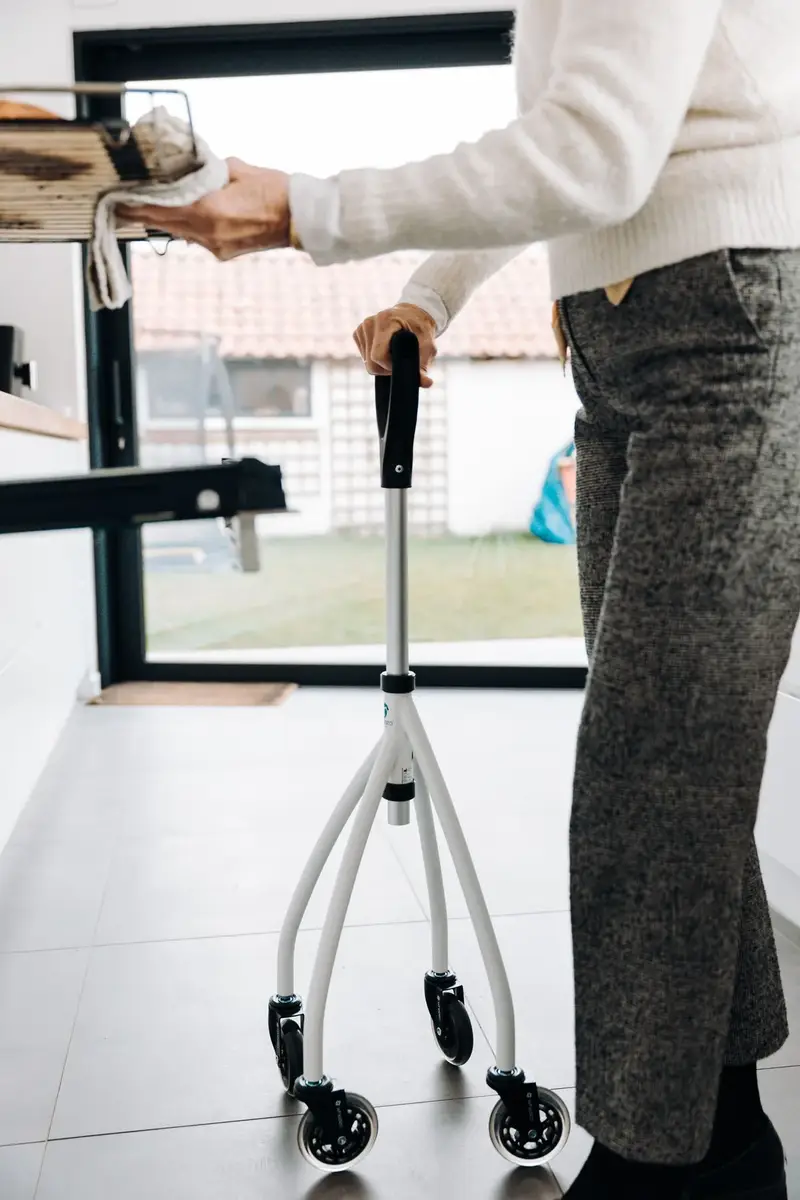
Kitchen laps on a walker — wipe yours down this clean before drop-off. Illustrative stock photo via Pexels.
You've chosen the shop, so you'll make the load easy to say yes to. You'll scrub frames with a damp cloth, wipe handgrips, and air-dry everything fully. Test every brake, lock, and folding joint the day before, charge any battery unit, and bag its charger with the chair.
Gather the paperwork next. You'll bundle manuals, power cords, spare tips, and keys with the item so nothing essential goes missing. Photograph the clean, complete load and keep the receipt with those photos for your tax file.
- Clean: soil off, grips wiped, fabric dry and odor-free
- Complete: batteries, chargers, cords, manuals, and hardware packed together
- Spec to confirm: disassembly and doorway measurements before bed day
Where to Donate Medical Equipment FAQ
Where can I donate medical equipment near me?
Start with local loan closets, Goodwill, hospice offices, and your county disability directory, then widen to regional refurbishers. You'll find the fastest match by calling the nearest two shops with photos and model numbers ready.
Does Goodwill take medical equipment?
Many Goodwill stores take small mobility aids like wheelchairs, shower benches, and potty chairs, but policies vary by location. You'll want to call your exact store first, since medical acceptance pauses when storage fills.
Can you donate used wheelchairs?
Yes, manual wheelchairs in clean, complete, working order are among the most wanted donations everywhere. You'll place power chairs through large refurbishers, since most closets lack the shop to service them.
What medical equipment cannot be donated?
Oxygen tanks, feeding tubes, used CPAP and nebulizer machines, custom prosthetics, and opened or expired supplies are refused nearly everywhere. You'll recycle or trash those per local hazardous-waste rules instead.
Who picks up medical equipment donations?
Large refurbishers, some loan closets, and volunteer collectors for Wheels for the World often collect, while MedShare generally can't fetch small home loads. You'll confirm pickup radius when you call, since most programs limit driving distance.
Can I get a tax receipt for donated medical equipment?
Yes at most registered nonprofits — ask at drop-off and photograph your load first. You'll value the gift at fair market price yourself, so a quick check of comparable resale prices keeps your records honest.
Bottom Line
Drop mobility gear at a local loan closet or refurbisher, send clinical surplus through Project C.U.R.E., and you'll clear the rest fast with hospice supply desks and thrift shops.
Related Guides
- How to Get Donation Tax Receipt and Value Guide
- How to Schedule Donation Pickup Near You
- Medical Equipment Acceptance List Allowed Items
- How to Sanitize Prep Medical Devices for Donation
- Goodwill vs Lending Closet Medical Donations Compared
- Where Donate Wheelchairs Walkers Hospital Beds Near You
- How to Donate CPAP Mobility Aids Safely
- Donating Expired Supplies vs Durable Equipment Rules
- Medicare Liability Rules Donated Devices Explained
- How to Find Medical Lending Closets Near You
- Large Equipment Pickup Requirements and Fees Guide
- Where to Donate Garden Tools in 2026: 7 Places That Take Them
- How to Measure a Room for Furniture in 2026
- Where to Sell Jewelry Online in 2026 (Auction, Marketplace, or Direct Buyer)
Sources: Hosparus Health — Where Can I Donate; Medical Teams International — Donate Medical Supplies; Project C.U.R.E. — Individual Donations; MedShare — Equipment Guidelines; Atlanta News First — FODAC Week of Giving; Photos: illustrative stock via Pexels.