 Remington Croft
Where to Donate Garden Tools in 2026 (7 Places That Take Them)
Last updated: September 14, 2026 — donation policies verified against Habitat, Goodwill, Salvation Army, and tool-library pages; first version of this guide.
Reviewed by Emily Holmes, General Reviewer, following our test method.
Where to donate garden tools? Start with your local Habitat for Humanity ReStore, which resells them to fund home builds, or list them in a Buy Nothing group for same-day pickup. You'll get a tax receipt at most ReStores, Goodwill stores, Salvation Army drop-offs, and tool libraries — but only for tools that are clean, complete, and working. If you're replacing what you give away, a Fiskars pruner near $30 and a 3-piece hand-tool set near $15 cover most garden jobs.
Quick answer: Habitat ReStores are the best all-around drop-off for garden tools. Buy Nothing groups are fastest for porch pickup. Tool libraries put specialty tools back to work. Goodwill and the Salvation Army take hand tools at most locations — call first. Details below.
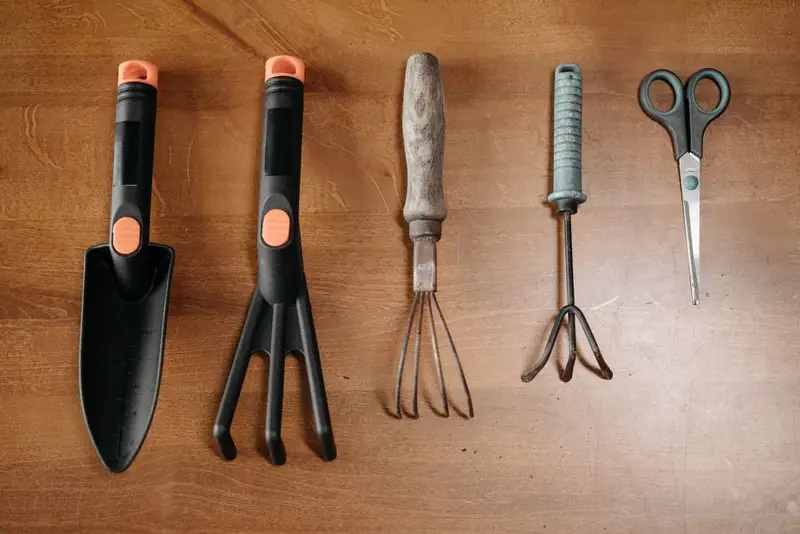
Sort, clean, and bundle before you go — illustratively photographed via Pexels.
Where to Donate Garden Tools: 7 Places Compared
Call before you load the car. You'll save a wasted trip, since every shop on this list varies by location and season. Spring cleaning season fills shelves fast, so phone ahead in April and May most of all.
| Place | What they take | Best for |
|---|---|---|
| Habitat ReStore | Hand and garden tools, working power yard tools | Best all-around drop-off |
| Goodwill | Garden tools, tools and hardware | Easy neighborhood drop-off |
| Salvation Army | Gently used household goods and tools | Free scheduled pickups |
| Tool libraries | Working tools, email photos first | Specialty and power tools |
| Community gardens and schools | Sets beginners can share | Direct local impact |
| Buy Nothing and Freecycle groups | Anything, any condition if disclosed | Fastest same-day pickup |
| Scrap metal recyclers | Rusted-out steel heads and handles | Tools beyond saving |
Dive deeper: How to Get Donation Tax Receipt and Value Guide; How to Schedule Donation Pickup Near You; Garden Tool Acceptance List What Charities Take.
Directory facts below are per Habitat — ReStores page, Goodwill — donation guidelines, Salvation Army — pickup and drop-off, and Local Tools — find a tool library. Owner-review mining is thin on a donations topic, so this guide weights charity-stated policies heaviest, per our method.
1. Habitat for Humanity ReStores Take Yard Tools
ReStores are Habitat's resale shops, and your donation dollars fund local home builds instead of overhead. Many locations explicitly list lawn and garden gear — Milwaukee's ReStore names yard tools and working power yard tools — plus hand and power tools generally. Stock and rules differ store to store, since each ReStore runs independently. You'll want the locator on Habitat's site, then a two-minute call. Ask three things: do you take garden tools this week, do power tools need to run, and do you offer pickup for big loads like mowers.
- Drop off if: your tools work and you want a receipt plus builds funded
- Skip when: pieces are rusted solid or gas-powered with fuel still in the tank
- Spec to confirm: power yard tools must be functional at most stores
2. Goodwill Takes Garden Tools at Most Stores
Goodwill's accepted-items lists name garden tools alongside tools and hardware, and most stores take them seven days a week. You'll find the process is the easiest of the bunch: bag the hand tools, drive over, and grab a receipt at the door. The catch is that donation doors sometimes close mid-day for processing, and a few locations pause certain categories when shelves overflow. A quick call beats a second trip, and Goodwill's van and partner pickups cover the bulky stuff you can't lift alone.
- Drop off if: you want the fastest errand-style donation with a receipt
- Skip when: tools are broken or caked in chemicals the sorters can't assess
- Spec to confirm: your store's hours and whether its donation door is open today
3. Salvation Army Offers Pickup for the Heavy Loads
The Salvation Army runs hundreds of family stores plus thousands of drop boxes, and its truck scheduling page books free pickups by ZIP code. You'll find it the best fit for ride-on mowers, tillers, and full shed cleanouts you'd rather not haul. Proceeds fund its rehab centers, which is worth knowing when you choose between lookalike charities. Acceptance varies by local ordinance and need, so the charity itself says to call 1-800-SA-TRUCK about your exact items. List garden tools as household goods when the form asks what's going out.
- Book a pickup if: you're clearing heavy gear and own no truck
- Skip when: your ZIP shows no pickup coverage — use a drop-off instead
- Spec to confirm: items must be gently used and working, per local criteria
4. Tool Libraries Put Good Tools Back to Work
A tool library lends tools the way a book library lends books, and donated pruners, loppers, and tillers go straight onto member shelves. You'll love this path if your gear is too good for the scrap pile but too niche to sell. The process runs on email first: Chicago's tool library asks for details and pictures before you visit, Buffalo's asks for an itemized list or photos, and neither offers pickups. Most are volunteer-run nonprofits, so donations are usually tax-deductible — ask for a receipt at drop-off and leave your details for the thank-you note.
- Donate here if: your tools work well and deserve a second working life
- Skip when: pieces need repair you won't do — shops rarely have fix-it capacity
- Spec to confirm: single-person-movable only, and no paint, stains, or hardware
5. Community Gardens, Schools, and Churches Take Sets
Sometimes the shortest path is across the street. You'll find community gardens, school gardens, and church grounds crews running on donated hand tools and shared sheds. A matched set of trowels, cultivators, and pruners that a thrift store would split up stays together here and gets used the same week. Call the garden coordinator or school office, describe what you've got, and offer to drop it at a workday. No receipt, but you'll see exactly where your tools went.
- Give directly if: you want visible local impact over paperwork
- Skip when: you need a tax receipt — stick to the charities above
- Spec to confirm: ask what the crew actually lacks before you haul extras over
6. Buy Nothing Groups Move Tools in Hours
For speed nothing beats a giveaway post. You'll photograph the pile, name your cross streets, and watch neighbors claim pieces the same evening. Honesty is the whole system: disclose the wobbly rake head and the shears that need sharpening, and someone will still want them for parts or a project. Porch pickup means no driving and no hours to mind. If your group is quiet, Freecycle and Craigslist free-stuff listings work the same way with a slightly wider net.
- Post here if: you want tools gone today with zero driving
- Skip when: you need a donation receipt for taxes
- Spec to confirm: set a pickup window so no-shows don't eat your Saturday
7. Scrap the Ones Beyond Saving
Some tools are done, and that's fine. You'll recognize them: heads rusted through, cracked sockets, handles splintered past sanding. Steel tool heads still carry scrap value, so strip wood handles and drop the metal at a local recycler instead of the trash. Drain every drop of fuel and oil from dead power equipment first — recyclers and charities alike refuse fuel-filled machines. What feels like a sad ending keeps good steel in circulation.
Setup Tips to Get Better Results Faster
You've chosen the shop — now make the load easy to say yes to. You'll scrub soil off with a stiff brush, wipe metal with an oily rag against flash rust, and tighten any loose heads. Bundle matched sets with twine or a rubber band so sorters see one gift instead of loose clutter. Test every power tool the day before, charge its battery, and include the charger. Drain fuel from mowers and trimmers completely, since fuel-filled machines get refused everywhere and leak in hot cars.
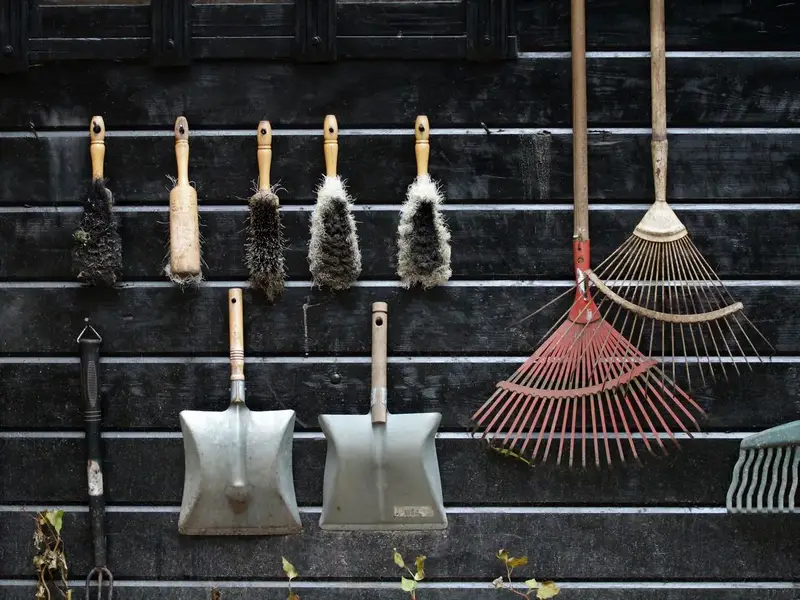
Clean tools get accepted — illustratively photographed via Pexels.
- Clean: soil off, oil on metal, handles wiped down
- Complete: batteries, chargers, and guards packed with the tool
- Spec to confirm: gas tanks bone-dry before anything with an engine leaves home
Garden Tool Donation FAQ
Where can I donate garden tools near me?
Start with Habitat ReStores, Goodwill, and Salvation Army locations, then check local tool libraries and Buy Nothing groups. You'll find the fastest match by calling the nearest two shops with your list ready, since acceptance varies by store and season.
Does Goodwill take garden tools?
Yes, garden tools appear on Goodwill accepted-items lists alongside tools and hardware at most stores. You'll still want to call ahead, since donation doors occasionally close for processing and full shelves can pause categories.
Will Habitat ReStores pick up garden tools?
Many ReStores offer pickup for large loads, and most take hand and garden tools plus working power yard tools at drop-off. You'll need to confirm with your local store, since every ReStore sets its own criteria and hours.
What condition do donated garden tools need to be in?
Clean, complete, and working is the bar almost everywhere: soil scrubbed off, heads tight, power tools running, and gas tanks drained dry. You'll get refused for fuel-filled machines, moldy gear, and rusted-through heads — scrap those instead.
Can I get a tax receipt for donated garden tools?
Yes at ReStores, Goodwill, Salvation Army locations, and most tool-library nonprofits — ask at drop-off and photograph your load first. You'll value the donation yourself at fair market price, so a quick price check beforehand keeps your records honest.
Bottom Line
Drop garden tools at a Habitat ReStore for builds funded, a Salvation Army pickup for heavy loads, or a tool library for a working second life.
Related Guides
- How to Get Donation Tax Receipt and Value Guide
- How to Schedule Donation Pickup Near You
- Garden Tool Acceptance List What Charities Take
- How to Clean Prep Garden Tools Before Donating
- Habitat ReStore vs Goodwill Tool Donations Compared
- Where Donate Lawn Mowers Power Tools Near You
- How to Donate Broken Tools Parts Scrap Options
- Donating vs Selling vs Recycling Garden Tools
- Community Gardens Schools Accepting Tool Donations
- How to Inventory Donated Tools for Tax Records
- Charity Drop Off Hours Rules and Locations Guide
- How Much Is a 3D Printer in 2026: Price Tiers and Running Costs
- Data Only SIM Card Guide 2026: Tablet, Hotspot and IoT Plans
- How to Measure a Room for Furniture in 2026
- How to Sew a Button in 2026
Sources: Habitat — ReStores; Goodwill — donation guidelines; Salvation Army — pickup and drop-off; Local Tools — find a tool library; Chicago Tool Library — donate tools.