 Remington Croft
How Much Is a 3D Printer in 2026? (Price Tiers + Running Costs)
Last updated: September 14, 2026 — printer prices verified against maker stores; first version of this guide.
Reviewed by Emily Holmes, General Reviewer, following our test method.
So how much is a 3D printer in 2026? Most home buyers spend $199 to $299 on the machine and another $150 to $300 in the first year on filament and wear parts. Our default is the Bambu Lab A1 mini at $219. You'll print cleanly with auto-calibration out of the box. The Creality Ender 3 V3 SE at $199 is the lowest credible entry price. The Bambu Lab P1S near $579 covers enclosed printing for stronger materials.
Quick answer: Bambu Lab A1 mini is the best 3D printer price for most beginners. Creality Ender 3 V3 SE is the best value floor. Bambu Lab P1S is best for enclosed printing and Elegoo Mars 5 Ultra is best for high-detail resin minis. Details below.
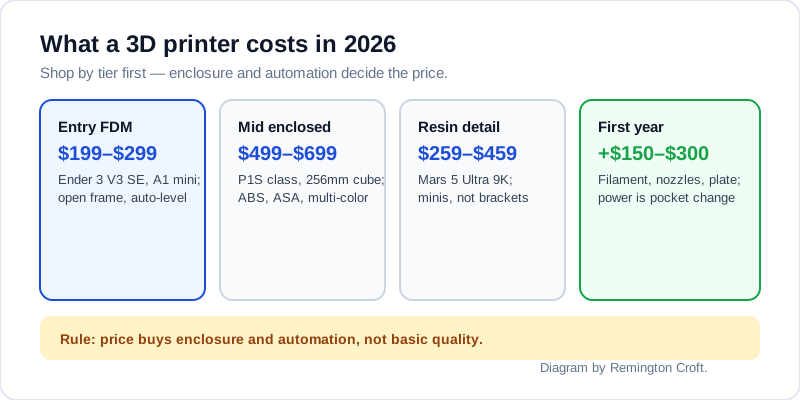
Price tiers at a glance — diagram by Remington Croft.
Quick Comparison: 3D Printer Prices at a Glance
Match the tier to your room and material before you compare brands. An open-frame beginner machine can't hold heat for ABS the way an enclosed box can, and a resin machine plays a different game entirely.
| Method | Key Points | Best For |
|---|---|---|
| Bambu Lab A1 mini | 180 x 180 x 180 mm; 500 mm/s; auto-calibration; $219 | Best for most beginners |
| Creality Ender 3 V3 SE | 220 x 220 x 250 mm; 250 mm/s; Sprite direct drive; $199 | Best value floor |
| Bambu Lab P1S | 256 x 256 x 256 mm; enclosed; carbon filter; $579 | Enclosed materials |
| Elegoo Mars 5 Ultra | 7-inch 9K mono LCD; 153 x 78 x 165 mm; auto-level; $259 | Detail minis |
Dive deeper: 3D Printer Price Tiers Explained; Best Starter 3D Printer Guide; How to Budget For First 3D Printer.
Machine prices below are per Creality — Ender 3 V3 SE store page, Bambu Lab — A1 mini store page, Bambu Lab — P1S store page, and Elegoo — Mars 5 Ultra page. Cross-check running-cost math in 3DPrinting.com cost guide. Owner-review mining is thin here, so every claim below traces to maker specs plus those editorial tiers, per our test method.
Best for Most Beginners: Bambu Lab A1 mini at $219
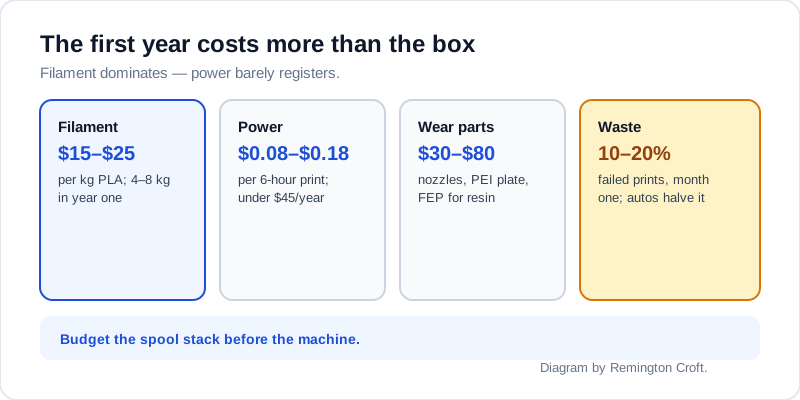
First-year math you'll actually feel — diagram by Remington Croft.
You'll pay $219 for the A1 mini at the Bambu Lab US store, with back-to-school promos dropping it toward $199 at times. That buys a 180 mm cube, an all-metal hotend to 300C, and a print routine that calibrates bed level, vibration, and flow before you touch a dial. It prints PLA, PETG, TPU, and PVA well. It is not the machine for ABS or ASA, since the open frame cannot hold chamber heat.
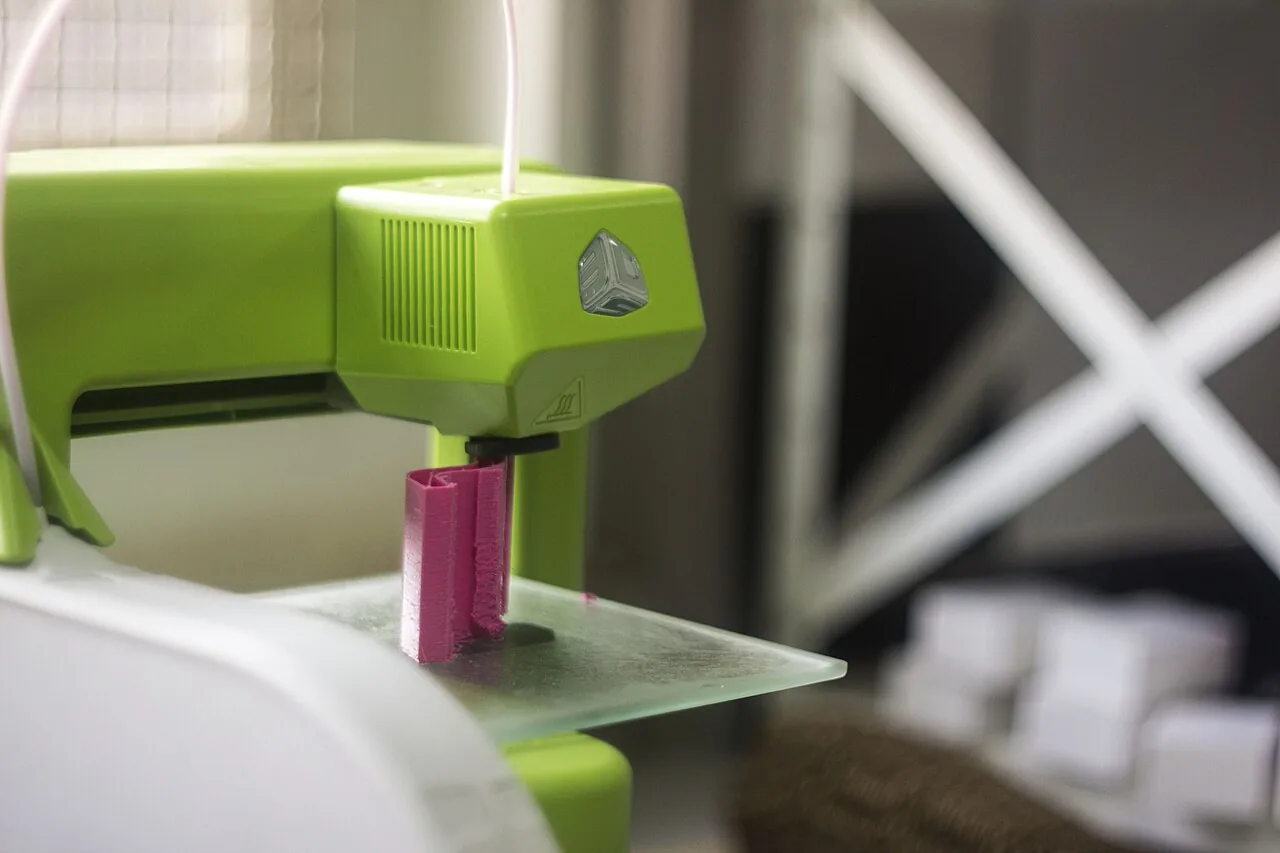
Photo: 3D Printer 3D systems.jpg by Ariosvaldo Gonzáfoles, CC BY 2.0, via Wikimedia Commons. Illustrative photo — not our test unit.

- Grab it if: you want your first print to succeed in about 20 minutes with Wi-Fi and app control
- Walk away if: you need parts bigger than 180 mm or warm-chamber plastics like ABS
- Spec to confirm: build volume is 180 x 180 x 180 mm, so split large props before you buy
Best Value Floor: Creality Ender 3 V3 SE at $199
The Ender 3 V3 SE lists at $199 on sale from $219 at Creality's store. That buys a larger 220 x 220 x 250 mm bed, a Sprite direct-drive extruder, CR Touch auto-leveling with strain-sensor Z offset, and a 250 mm/s maker ceiling. Files move by SD card and the knob screen keeps things basic. You're trading wireless ease for bed size and a lower sticker.
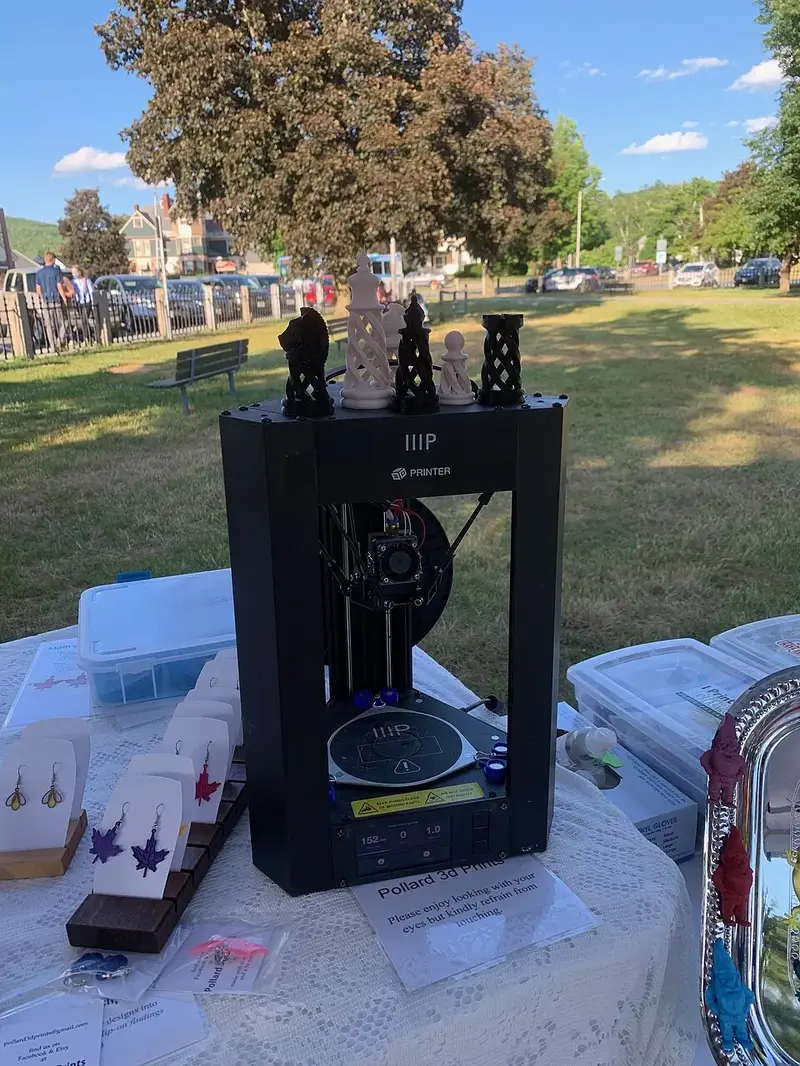
Photo: 3D Printer In Action.jpg by Fangusu, CC BY-SA 4.0, via Wikimedia Commons. Illustrative photo — not our test unit.

- You'll love it if: every dollar matters and you don't mind SD cards and first-layer checks
- Skip when: you want Wi-Fi, a camera, or a hands-off routine that watches prints for you
- Spec to confirm: nozzle tops at 260C, so plan on PLA, PETG, and TPU rather than nylon blends
Best Enclosed Step-Up: Bambu Lab P1S near $579
The P1S lists at $579 at the Bambu Lab US store, with street promos often lower. That buys a 256 mm enclosed cube, CoreXY motion to 500 mm/s, a 300C hotend with a 100C bed, an activated carbon filter, and a chamber camera. It handles PLA and PETG plus ABS and ASA far more reliably than open frames. It also takes AMS units for multi-color work, which adds purge waste you'll pay for in filament.
- Worth it when: you print functional brackets, car clips, or housings that need heat resistance
- Leave it if: you'll only print PLA toys and organizers on a desk in the same room
- Spec to confirm: footprint is 389 x 389 x 458 mm at 12.95 kg, so measure desk depth first
Best for Detail Minis: Elegoo Mars 5 Ultra at $259
The Mars 5 Ultra sells at $259 on sale from $338 at Elegoo US. That buys a 7-inch 9K mono LCD at 18-micron XY, a 153 x 78 x 165 mm volume, tilt-release printing to 150 mm per hour, one-click auto-leveling, and an AI camera with residue and shortage alarms. You'll love the detail on faces and jewelry masters that FDM layer lines soften. But don't skip the extras budget: wash, cure, gloves, and ventilation, which FDM owners never buy.
- Grab it if: you paint tabletop minis or masters where fine detail decides the buy
- Walk away if: you want brackets, hooks, and big functional parts without post-processing
- Spec to confirm: budget a wash-and-cure station near $100 plus resin at $25 to $50 per liter
How Much Does a 3D Printer Cost to Run?
How much does a 3D printer cost after the box lands? You'll spend $60 to $160 on filament before you notice power at all. PLA runs $15 to $25 per kg and most hobbyists use 4 to 8 kg in year one. A 6-hour PLA print draws about 80 watts once warm, which lands near $0.08 to $0.18 at the United States average near 18 cents per kWh. Nozzles, PEI plates, and resin FEP film add $30 to $80 for FDM and more for resin.
- Filament: $60 to $160 in year one for casual to steady PLA use
- Power: under $45 for a heavy hobbyist printing 4 hours daily
- Wear: brass nozzles $2 to $15, hardened steel $20 to $60, PEI plates $20 to $50
How to Choose: The 3 Decisions That Matter
So which price actually fits you? Start with material, then size, then patience. If you'll only print PLA desk helpers, the $199 to $299 open tier wins and the extra $300 buys nothing you'll feel. If you'll print ABS or ASA parts that live in cars or attics, the enclosure decides for you and the P1S tier pays back in fewer warped failures. If you'll paint 28 mm faces, no FDM price fixes layer lines and resin wins at any budget.
- Material first: PLA and PETG live happily open-frame, while ABS, ASA, and nylon want enclosed heat
- Size second: a 180 mm cube covers organizers and toys, while helmets and cosplay need 256 mm or splits
- Patience third: auto-calibration halves beginner waste, and beginners waste 10 to 20 percent at first
Setup Tips to Get Better Results Faster
Your first spool teaches more than any spec sheet. Dry PLA that strings, wash the PEI plate with soap when corners lift, and print a small test before an overnight job. You'll feel the relief when that first layer lays down glassy instead of spaghetti. My midnight tape-line trick is painter's tape on the desk marking the exact spool spot, so a midnight filament swap does not turn into a furniture move.
3D Printer Price FAQ
How much is a 3D printer for beginners?
A credible beginner FDM printer costs $199 to $299 in 2026, plus one $15 to $25 spool of PLA. The Creality Ender 3 V3 SE near $199 and the Bambu Lab A1 mini near $219 both auto-level so you won't face tuning marathons.
How much does a 3D printer cost per month to run?
Most hobbyists spend $20 to $50 per month on filament and parts, with power under $10 even when you're printing daily. Casual use lands near $15 in PLA monthly, while steady makers run 2 to 4 kg through $30 to $80 of material.
Is resin printing more expensive than filament?
Yes for most owners, by about 40 to 60 percent in year one. Standard resin runs $25 to $50 per liter against $15 to $25 per kg of PLA, plus you'll need a wash-and-cure station near $100 and ongoing IPA, gloves, and FEP film.
How much electricity does a 3D printer use?
Very little next to filament. A typical FDM machine averages 80 to 150 watts while printing, so a 6-hour job uses well under 1 kWh and you'll pay roughly a dime at average United States rates.
Do I need an enclosed printer?
You need one for ABS, ASA, and nylon blends that warp in cool rooms, plus a carbon filter and ventilation for fumes. You don't need one for PLA, PETG, and TPU on a desk, where open frames print cleanly and cost far less.
Bottom Line
Bambu Lab A1 mini for most beginners, Creality Ender 3 V3 SE for the lowest entry price, Bambu Lab P1S for enclosed materials, and Elegoo Mars 5 Ultra for detail minis.
Related Guides
- 3D Printer Price Tiers Explained
- Best Starter 3D Printer Guide
- How To Budget For First 3D Printer
- 3D Printer Clogs And Failed Prints
- 3D Print Quality Troubleshooting Guide
- Budget Vs Midrange 3D Printer
- Filament And Upkeep Cost Breakdown
- How To Choose Filament For Beginners
- Data Only SIM Card Guide 2026: Tablet, Hotspot and IoT Plans
- How to Measure a Room for Furniture in 2026
- How to Sew a Button in 2026
- How to Check Tire Tread Depth at Home in 2026
Sources: Creality — Ender 3 V3 SE store; Bambu Lab — A1 mini store; Bambu Lab — P1S store; Elegoo — Mars 5 Ultra; 3DPrinting.com — cost guide.