 Remington Croft
When Do Babies Start Smiling in 2026? (First Smiles, Social Smiles and Laughs)
Last updated: September 14, 2026 — rechecked milestones against CDC and American Academy of Pediatrics pages; first version of this guide.
Reviewed by Emily Holmes, General Reviewer, following our test method.
When do babies start smiling? Those early newborn grins show up within weeks, but the first true social smile usually arrives by the end of the second month. You'll know it when a smile answers your voice or face instead of appearing at random.
Quick answer: reflexive grins are normal from the earliest weeks for most newborns. Social smiles are best expected around 6 to 8 weeks. Chuckles and intentional smiles are best expected by about 4 months. Details below.
Quick Comparison: Baby Smile Stages at a Glance
Smiling unfolds in stages, and each one means something different. Match what you see to the stage before you worry or celebrate.
| Method | Key Points | Best For |
|---|---|---|
| Reflexive newborn grins | Fleeting, often in sleep, from the first weeks; internal sensations, not communication | Understanding the earliest weeks |
| Social smiles around 6 to 8 weeks | Answers your face, voice, or smile; CDC 2-month milestone; start of back-and-forth | The milestone most parents wait for |
| Chuckles and intentional smiles by 4 months | Smiles alone to get attention; chuckles when you play; sibling beams around 3 to 4 months | What comes right after |
Dive deeper: Baby Smiling Milestones Explained; How to Encourage Baby First Smile; How to Tell Smile Vs Gas In Newborns.
Milestone grounding comes from the top of the authority chain. Responsive smiling sits on the CDC's 2-month checklist, and smiling alone plus chuckling sits on the 4-month list, per the CDC milestone booklet (PDF) and CDC milestone checklists (PDF). The first social smile usually appears by the end of the second month per HealthyChildren.org — first smiles, with stage-by-stage color per HealthyChildren.org — birth to 3 months. Claims below stick to what those sources substantiate, per our test method.
Those First-Week Grins Are Reflexes, Not Hellos
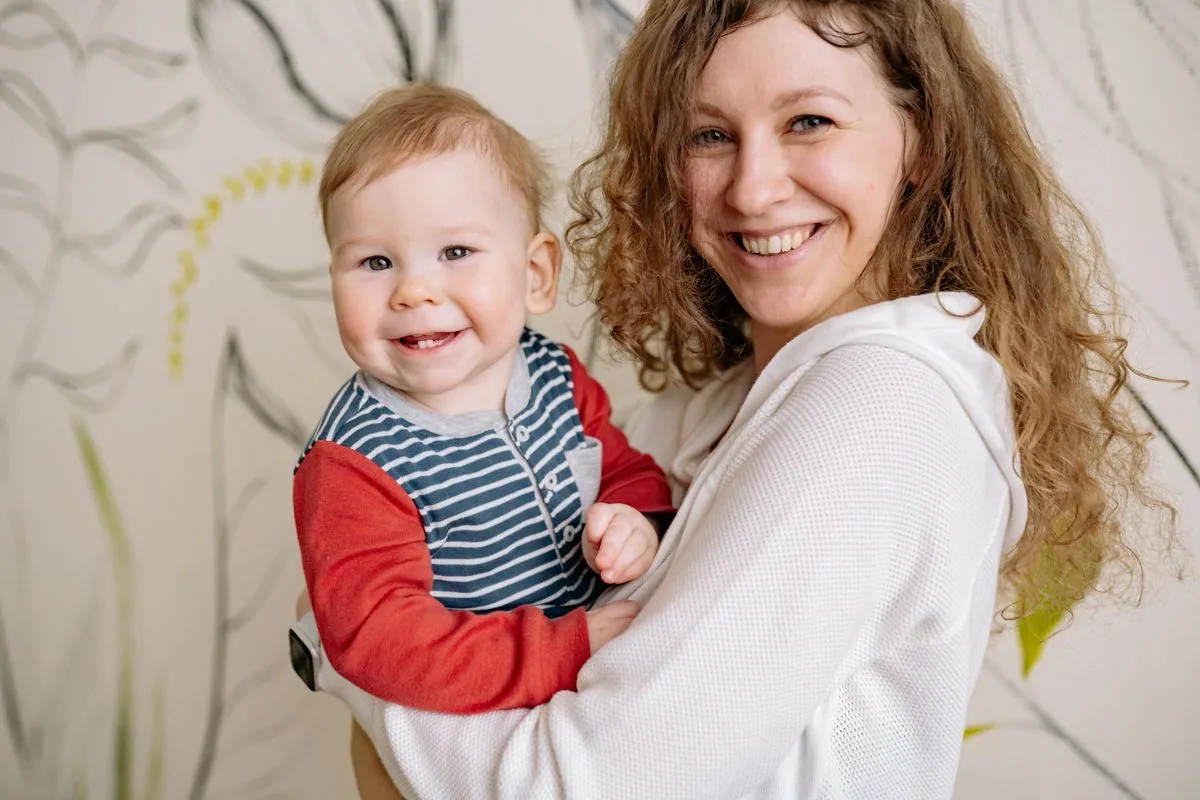
Early grins are adorable and involuntary. The answering smile comes later. (Illustrative stock photo via Pexels.)
You'll swear your two-week-old smiled at you, and no pediatrician will argue with your joy. But those earliest grins are reflexes, brief and random, often flashing during sleep. They likely trace to internal sensations like gas or drowsiness rather than any message for you.
Knowing this saves you no disappointment later. The reflexive stage is simply the warm-up act, and pediatricians describe it as clearly different from the social smile arriving weeks after. Enjoy the previews. The feature presentation is coming.
- Use it when: you're in the newborn haze and want to know what's normal in weeks one through five
- Skip it when: your baby is past two months and smiling back, since you've graduated past this stage
- Fact to confirm: reflex grins often appear during sleep, while social smiles appear during alert face-to-face time
Social Smiles Arrive Around 6 to 8 Weeks
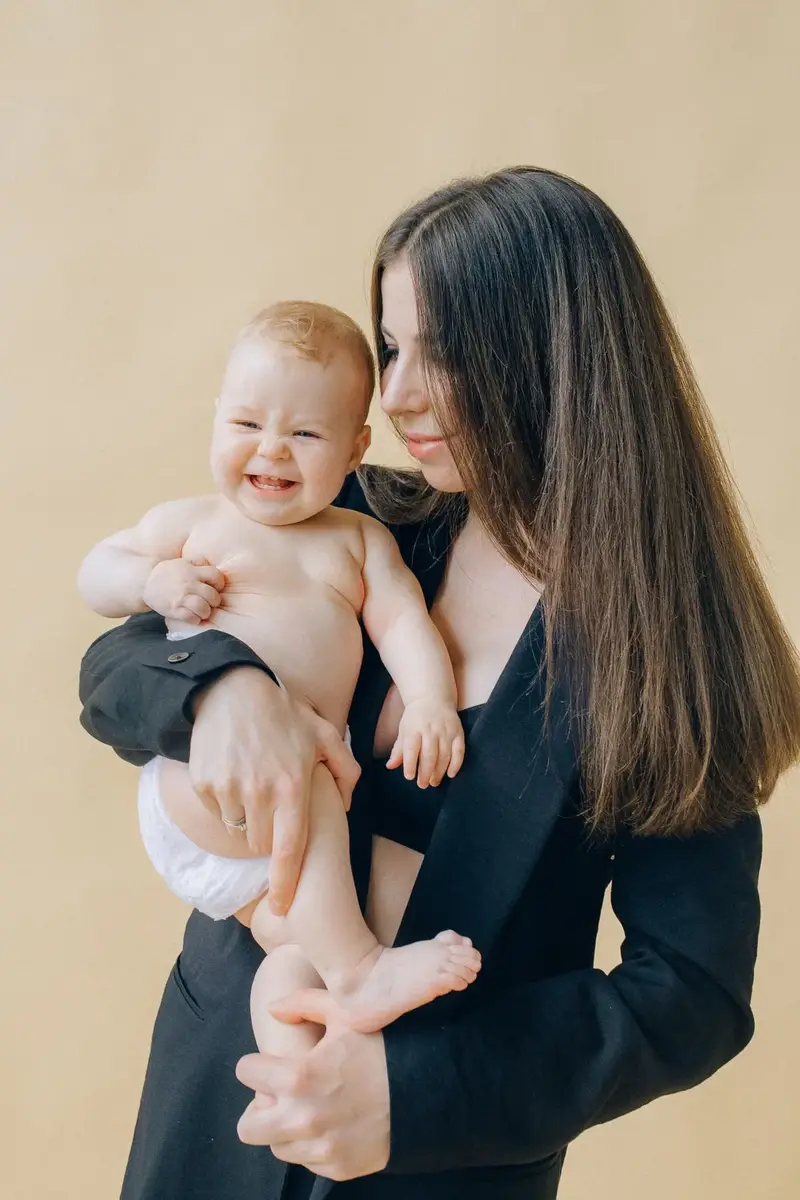
Face to face is where it happens. Get close and wait. (Illustrative stock photo via Pexels.)
What changes in the second month? Alert time stretches, vision sharpens on faces, and your baby starts linking your smile to good feelings. One day your grin gets answered with a real one, often with a happy full-body wiggle. Pediatricians call the 2-month visit a pleasure largely because of this exact moment.
Then the captivating "smile talk" begins. Your baby discovers that moving their lips starts conversations with you, and smiling becomes a tool alongside crying. That growing control is genuinely thrilling for both of you, even at 3 a.m.
- You'll love it if: you're past the fussy-crying peak and craving proof your baby knows you
- Hold off worrying if: you're still inside the two-month window, since timing varies across healthy babies
- Fact to confirm: the CDC milestone is specifically smiling when talked to or smiled at, meaning responsiveness defines it
Chuckles and On-Purpose Smiles by 4 Months
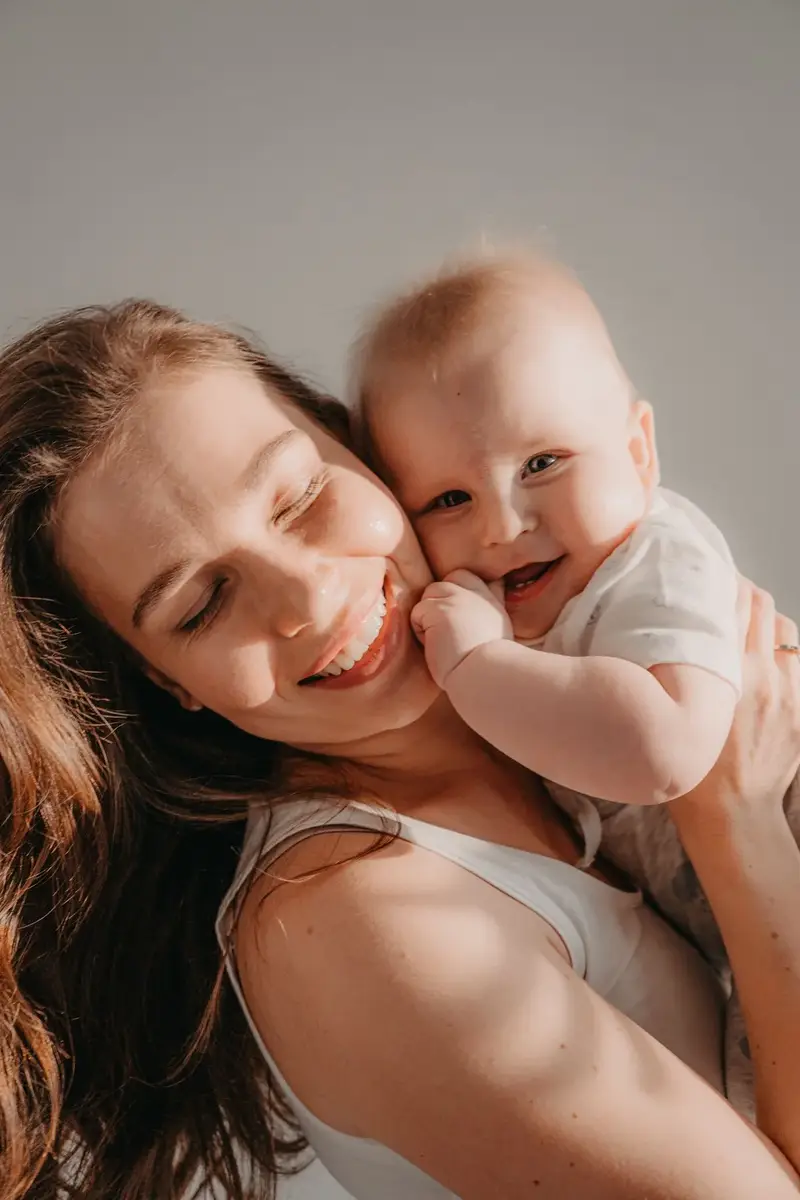
By four months your baby smiles to summon you, not just answer you. (Illustrative stock photo via Pexels.)
By four months the dynamic flips. Your baby smiles alone to get your attention, chuckles when you try to be funny, and moves or vocalizes to keep you engaged. Siblings get beaming receptions around three to four months, as other children become fascinating. Strangers, by contrast, may earn only a stare, which shows your baby is already sorting who's who.
This selectivity is progress wearing a poker face. Preferring caretakers while studying strangers means social sorting is online. A hesitant half-smile for grandma followed by coos is exactly the expected sequence.
- Grab it if: you want to know what social growth looks like after the first smile lands
- Leave it if: your baby is under three months, since chuckling runs on a later clock
- Fact to confirm: the 4-month chuckle is explicitly not yet a full laugh, which typically follows later
How to Coax More Smiles Without Forcing It
Wondering how to speed things along? You can't rush neurology, but you can invite it. The CDC's own play guidance is beautifully simple: when your baby smiles, you smile back, and when they make sounds, you echo them. That back-and-forth teaches cause and effect while wiring social brains.
Face time beats toy time at this age. Get close, use a warm voice, pause to let them answer, and follow their lead when they look away to rest. Short, happy bursts across the day outperform one long performance, and an overtired baby smiles for nobody.
Siblings can join the act around three to four months. Babies beam at brothers and sisters who talk to them, and those cross-age exchanges build social brains fast. Let the kids perform while you watch for the answering grin.
- Smile back promptly: immediate answers teach your baby that expressions control their world
- Talk through routines: narrating feeds and changes turns dull minutes into face practice
- Fact to confirm: responding quickly to smiles also builds trust and early self-esteem, per pediatric guidance
Mistakes That Steal the Joy From Milestones
After comparing parent forums with pediatric sources, the same five traps sour what should be a sweet season. None reflects bad parenting, only bad information, and you'll sidestep all five once you've seen them.
- Comparing to the neighbor's baby: healthy timing spreads across weeks, so one early smiler proves nothing about yours
- Counting sleep grins: logging reflex smiles as social ones sets up confusion when the real milestone still arrives on its own schedule
- Performing on demand: pressing a tired or hungry baby for party-trick smiles teaches frustration instead of sociability
- Reading stranger danger early: a solemn stare at unfamiliar faces around three months is sorting behavior, not a setback
- Waiting silently on worries: pediatric checkups exist to screen development, so bring questions instead of sitting on them
Setup Tips for the Smile Season
Set yourself up once and the smiles multiply. Protect morning alert time for face play, since that's when most babies are brightest. Keep lighting soft and your face close, around eight to twelve inches, where newborn vision works best. Log the first answered smile with its date for the baby book and the pediatrician. And photograph sparingly mid-play, since a phone between faces blocks the very exchange you're trying to keep.
Baby Smiling FAQ
When do babies start smiling?
Reflexive grins appear within weeks, but the first true social smile usually arrives by the end of the second month. Intentional smiles and chuckles typically follow by about four months.
What is the difference between reflexive and social smiling?
Reflexive smiles are brief, random, and often happen in sleep from internal sensations. Social smiles answer your face or voice during alert time and mark real communication.
How can I get my baby to smile?
Get face to face, smile and talk warmly, then pause so they can answer. Echo their smiles and sounds right back. Short sessions during alert morning time work best, and you'll get more smiles per minute than any toy delivers.
When do babies start laughing?
Chuckling without a full laugh typically starts around four months. Full laughter usually develops in the months after, as babies find peek-a-boo and silliness increasingly hilarious.
When should I worry if my baby is not smiling?
Raise it at the 2-month checkup if there's no responsive smiling, since that visit screens for it. The CDC's Act Early guidance urges bringing any missed-milestone concern to your pediatrician promptly rather than waiting it out.
Bottom Line
Expect fleeting grins early, answering smiles by about two months, and chuckles by four. Meet each smile with your own and mention gaps at checkups.
Related Guides
- Baby Smiling Milestones Explained
- How To Encourage Baby First Smile
- How To Tell Smile Vs Gas In Newborns
- Baby Not Smiling Yet Troubleshooting
- Newborn Sleep And Smile Mistakes
- Social Smile Vs Reflex Smile
- How To Track Baby Milestones Monthly
- Well Visit And Milestone Check Cost
- How to Sew a Button in 2026
- How to Make Cold Foam at Home in 2026
- How to Choose a Wedding Venue in 2026
- Where to Donate Medical Equipment in 2026 (7 Places That Take It)
Sources: CDC — milestone booklet (PDF); CDC — milestone checklists (PDF); HealthyChildren.org — first smiles; HealthyChildren.org — birth to 3 months; Photos: Pexels.