 Remington Croft
How to Roast Sweet Peppers in 2026 (Oven, Broiler, Flame)
Last updated: September 12, 2026 — rechecked oven times and steam-peel steps against current recipe tests and refreshed storage limits.
Reviewed by Emily Holmes, General Reviewer, following our test method.
How to roast sweet peppers means charring skins until blackened and loose, steaming covered for 15 minutes, then slipping skins off with fingers. Red peppers roast sweetest in a 450-degree oven in about 30 minutes.
Quick answer: oven at 450 degrees is best for hands-off batches. Broiler on high is best for weeknight speed. Gas flame is best for smoky char and old peppers. Details below.
Quick Comparison: Pepper Roasting Paths at a Glance
Every path ends the same way: blackened skins plus a covered steam rest. Pick by batch size and attention budget.
| Method | Key Points | Best For |
|---|---|---|
| Oven roast | 450 degrees, 25 to 40 minutes, turn every 7 to 10, parchment lined | Best overall batches |
| Broiler char | High broil, 10 to 15 minutes, rotate every 2 to 4, close watch | Best value fast method |
| Gas flame | Medium flame, tongs turn, about 15 minutes, smokiest result | Best flavor and old peppers |
Dive deeper: Sweet Pepper Varieties Explained; How to Cut Sweet Peppers For Roasting; How to Roast Sweet Peppers In Oven.
Roast whole at 450 degrees for 25 to 40 minutes with turns, or broil about 10 minutes rotating often per Mediterranean Dish. Halve first for easier prep and roast cut-side down 30 to 35 minutes with blackened skins peeling easiest per BBC Good Food. Use high heat so skins char before flesh overcooks, then steam covered 10 to 15 minutes before peeling per ChefDeHome. So which one should you pick? Default to the oven for four or more peppers, the broiler for one or two on a weeknight, and the flame whenever smoke matters more than convenience.
Pick Peppers That Roast Sweet
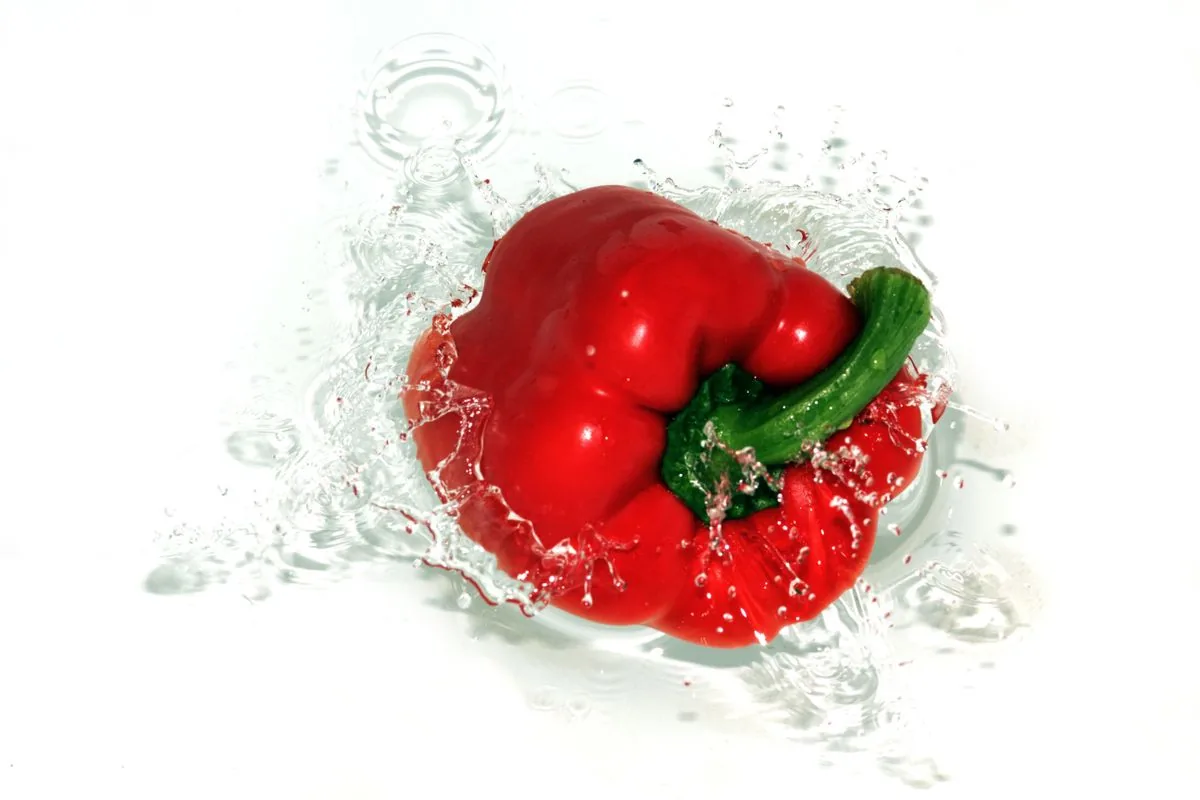
A fresh red bell, glossy and firm — exactly what you want to start with. (Illustrative stock photo via Pexels.)
Red, orange, and yellow bells roast sweeter than green, with red the sweetest and most reliable. Romano-style long reds work equally well. Green bells roast fine but stay grassier and slightly bitter, so mix them in rather than building a sweet-pepper dish around them. Pick firm, heavy peppers with glossy skins — a few days old peppers look fine raw yet turn mushy in oven heat as flesh overcooks before skins char. Save tired peppers for flame or broiler methods where charring outruns softening. Wash and dry fully, since surface water steams instead of chars.
- Go red when: sweetness is the goal for sauces, pesto, and antipasto.
- Mix colors when: the plate matters. Flavor differences are small next to red.
- Skip soft wrinkled stock if: oven roasting. Save it for flame charring or another dish.
- Spec to confirm: batch size versus pan space. Crowded peppers steam pale instead of blistering.
Method 1: Oven for Hands-Off Batches
Heat to 450 degrees and line a rimmed sheet with parchment, which avoids the metallic note foil can lend. Arrange whole or halved peppers with a couple of inches between each and brush lightly with oil. Roast 25 to 40 minutes by size, turning every 7 to 10 minutes until skins brown deeply, wrinkle, and char on all sides. Smaller peppers finish near 25 minutes; large ones need the full 40. Halved peppers go cut-side down and cook a touch more evenly, while whole ones keep their juices concentrated inside. You'll smell when they're close — sweet and smoky beats the timer every time.
Method 2: Broiler for Weeknight Speed
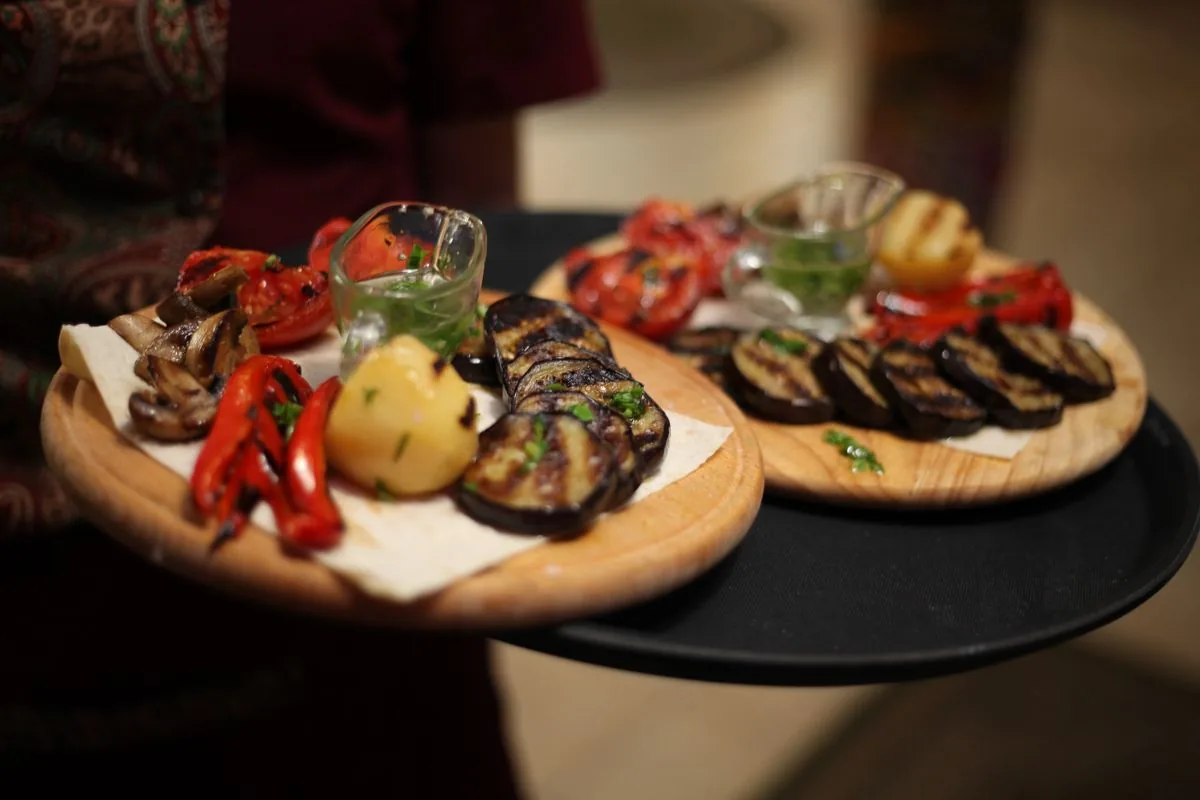
Oven char up close — wrinkled, blistered, ready to steam. (Illustrative stock photo via Pexels.)
Set the rack 3 to 6 inches from the element and preheat the broiler on high. Spread peppers in one layer with space between them and broil 10 to 15 minutes, rotating every 2 to 4 minutes with tongs so every face blackens. Flattened strips char most evenly under direct heat because they can't roll away from the element. Don't wander off at the end — the line between charred and burnt moves fast under a broiler, and there's no coming back from it.
Video: Roasted Red Peppers How To — Chili Pepper Madness, March 2020.
- Grab the broiler when: dinner is tonight and the oven is free. Ten focused minutes beats forty passive ones.
- Skip parchment here if: your sheet runs very close to the element. Use foil or a bare pan instead.
Method 3: Gas Flame or Grill for Smoke
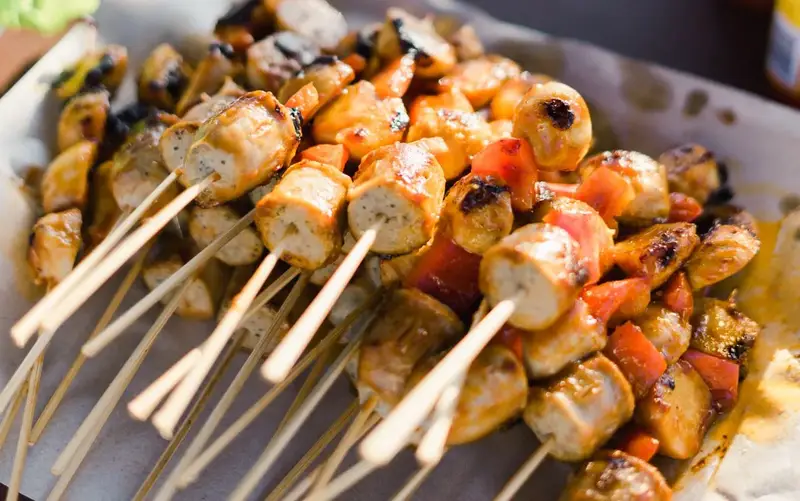
Direct flame does what no oven can — pure smoke. (Illustrative stock photo via Pexels.)
Set a burner to medium or heat the grill high and lay whole peppers directly over the flame with tongs ready. Turn every couple of minutes until skins blacken all over and the flesh softens, roughly 8 to 15 minutes. Open flame gives the deepest smokiness of the three methods — and it rescues older peppers that would collapse in the oven. Keep the turns steady and don't pierce the skins, since escaping juices flare on the flame.
Steam, Peel, and Seed Without Losing Juice
Move charred peppers straight into a bowl and seal it tight with a lid, plate, foil, or bag. Rest 10 to 30 minutes so trapped steam loosens the skins and residual heat finishes the flesh — thick-walled bells want near 30, thin Romanos relax in about 10. Work over the bowl to catch the juices, then slip the skins off with your fingers or a paper towel and lift out stems, seeds, and membranes. A quick cool rinse handles clinging char flecks; pat dry after. Save every drop of that sweet bowl juice and strain it back over the strips or into the marinade jar. Here's the rule you'll use forever: the blacker the skin went on, the easier this step feels.
Use and Store Your Peppers
- Eat now: salads, sandwiches, pasta, pizza, baked eggs, and blended pesto with nuts and cheese.
- Marinate: cover with good olive oil plus garlic and salt for antipasto within the hour.
- Fridge plain: sealed container up to about a week.
- Fridge oiled: topped with olive oil, up to two weeks.
- Freeze: wedges flat in freezer bags, pulling portions as needed.
For the classic marinated jar, layer strips with smashed garlic, a pinch of salt, and enough good olive oil to cover, then rest overnight before serving. The oil picks up smoke and sweetness and doubles as a finishing drizzle for grains and greens. Beyond antipasto, fold strips into omelets, blend into romesco with nuts, or pile onto grain bowls where their softness contrasts crunch. Label frozen bags with the date because every batch looks alike after a month, and thaw in the fridge overnight rather than microwaving, which toughens the flesh.
Setup Tips for Better Char
Give every pepper breathing room — crowding steams instead of chars. Preheat fully, because a cool oven bakes instead of roasts. Oil lightly rather than pooling, which fries bottoms before tops blister. Save the bowl juices and strain them back over your peeled strips. For hot varieties, glove up and keep your hands away from your eyes. If a batch comes out patchy, pale beside black, you overcrowded the pan or turned too late — split the next round across two sheets and set a timer for every rotation.
Roasted Pepper FAQ
Should I halve peppers before roasting?
Halving front-loads the fiddly seeding work and cooks more evenly, while whole peppers keep their juices concentrated and peel easily after steaming. Either works — choose by patience, not dogma.
Why will skins not come off?
They likely under-charred or skipped the steam rest. Send pale peppers back to the heat until their skins blacken, then seal them covered for the full rest. You'll know it's right when skins release under finger pressure alone.
Can I roast old soft peppers?
Yes, but only over flame, broiler, or grill where charring beats softening. Oven heat turns tired peppers mushy before skins color, so keep them out of slow roasts.
How long do roasted peppers keep?
About a week plain in a sealed fridge container, up to two weeks topped with olive oil. Freeze flat in bags for months and thaw only what the meal needs.
Do I need to peel them?
For silky sauces and antipasto, yes — skins turn papery and bitter. For rustic grilled sides, leave a few charred flecks on. They've earned their smokiness.
Bottom Line
Char in a hot oven for batches, under the broiler for speed, or over flame for smoke — then steam covered and slip the skins.
Related Guides
- Sweet Pepper Varieties Explained
- How To Cut Sweet Peppers For Roasting
- How To Roast Sweet Peppers In Oven
- Roasted Peppers Bitter Or Burnt Fixes
- Peeling Roasted Peppers Troubleshooting
- Roasted Vs Grilled Sweet Peppers
- How To Store Roasted Sweet Peppers
- Roasting Supplies Cost Guide
- How To Season Roasted Sweet Peppers
- How to Remove Rust From Cast Iron in 2026
- How to Measure a Room for Furniture in 2026
- How to Measure for Curtains in 2026
- How To Sew A Button
Sources: Mediterranean Dish — Roasted Peppers; BBC Good Food — Roast Peppers; ChefDeHome — Roast Peppers; YouTube — Roasted Red Peppers; Photos: Pexels 132431, 5407359, 7462810.