 Remington Croft
Summer Packing List Heat Rain Essentials
Last updated: September 21, 2026 — expanded with step detail, mistakes, and troubleshooting; rechecked against BBC and CNN 2026 travel roundups plus Delta demand reporting and updated where details changed.
Reviewed by Emily Holmes, General Reviewer, following our test method.
A practical walkthrough for summer packing list heat rain: UPF Clothing, Rain Shell, Reef Safe Sunscreen in plain order, the main options compared side by side, and the mistakes that cause redos flagged up front. Pick one option from the table and work it fully.
Quick answer: compare paths first using the table below. Use the comparison table to match your case to where heat and downpours collide, clothing fabrics and footwear picks, or beach vs mountain pack comparison table: the row whose use-when bullet is fully true is your starting path. Run one clean pass of that path without skipping checks, recording your baseline first. Check the mistakes and troubleshooting sections before you commit more effort — they resolve most bad first attempts. Details, fit bullets, and FAQs below.
Where Heat and Downpours Collide
Pick one path first — that choice matters more than any single tip below. The table maps the main options for summer packing list heat rain essentials; the sections below resolve fit and failure modes row by row. Read across the rows once, choose the single row whose Best For cell matches your situation, and work that row fully before judging results.
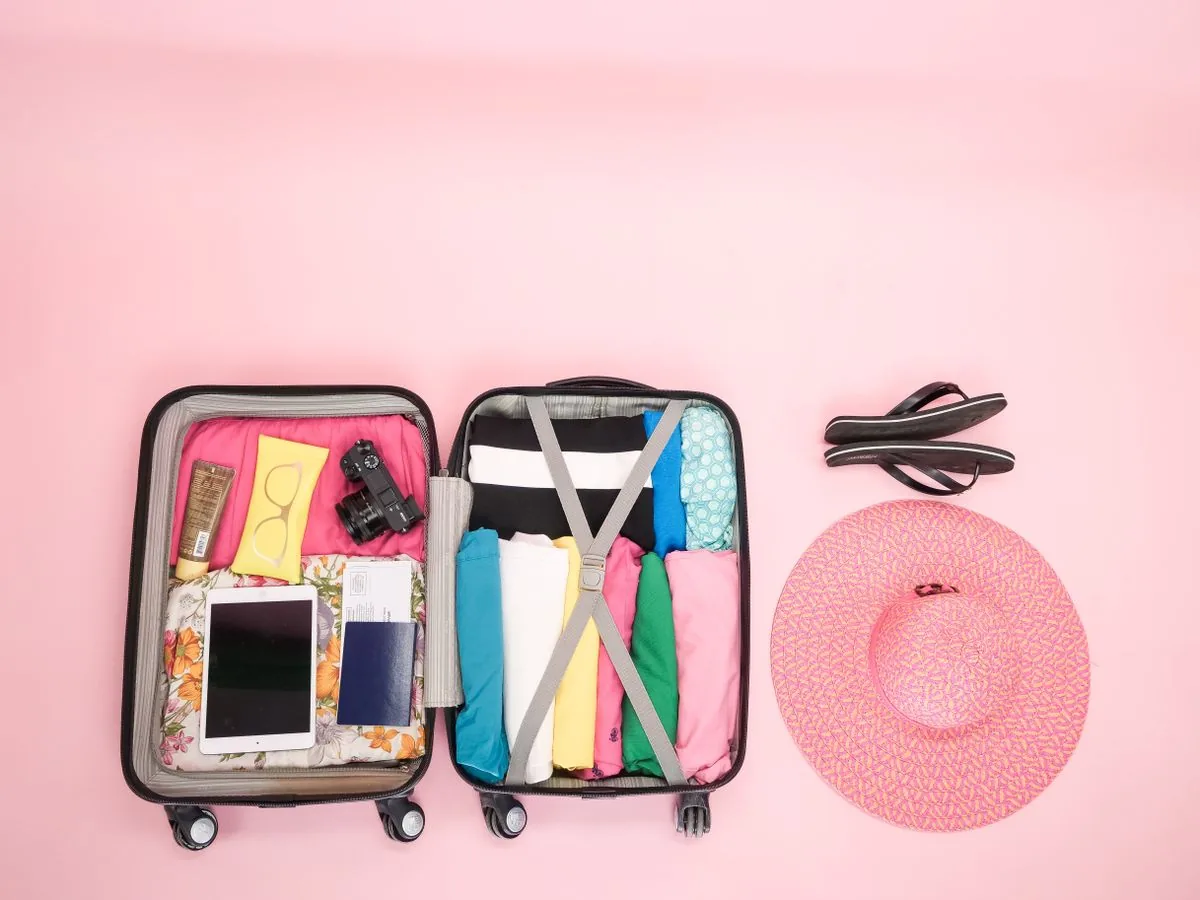
Illustrative stock photo via Pexels.
| Method | Key Points | Best For |
|---|---|---|
| Where Heat and Downpours Collide | Main checks for where heat and downpours collide — full detail in the section below | See whether this matches your case below |
| Clothing Fabrics and Footwear Picks | Main checks for clothing fabrics and footwear picks — full detail in the section below | See whether this matches your case below |
| Beach vs Mountain Pack Comparison Table | Main checks for beach vs mountain pack comparison table — full detail in the section below | See whether this matches your case below |
Related: Where to Travel in Summer in 2026 (Beaches, Cool Escapes, and Festival Cities).
Where Heat and Downpours Collide works best as a short loop, not a single attempt. Set up once: gather what the section lists, note your baseline, and keep the comparison table open so where heat and downpours collide stays anchored against clothing fabrics and footwear picks and beach vs mountain pack comparison table. Work the steps in order without rearranging them — the order carries the logic, and skipping ahead is the usual reason readers have to restart. After each pass, verify one observable signal (what changed, what stayed the same) before moving on. If two signals disagree, treat that as a fit problem and revisit the use-when and skip-when bullets below instead of pushing through. Provider pages and official references change faster than any guide, so re-confirm any detail you will act on in Sources.
- Confirm the starting point: write down where you are before where heat and downpours collide so you can tell whether the step helped.
- Run one clean pass: finish the section end to end before judging it — half passes hide fit problems.
- Check the one detail readers get wrong: the spec-to-confirm bullet above; verify it in Sources for your exact case.
- Stop at the first surprise: unexpected results are fit signals, not invitations to push harder on the same path.
Clothing Fabrics and Footwear Picks
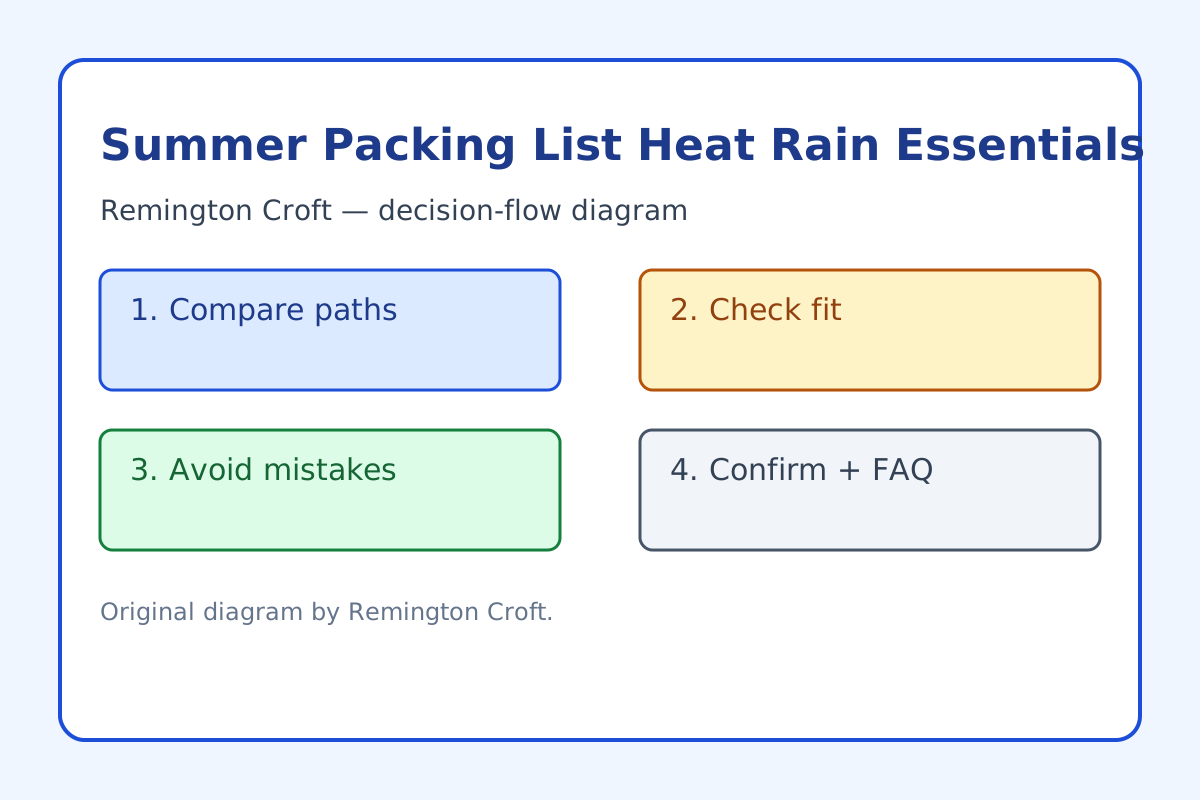
Clothing Fabrics and Footwear Picks works best as a short loop, not a single attempt. Set up once: gather what the section lists, note your baseline, and keep the comparison table open so where heat and downpours collide stays anchored against clothing fabrics and footwear picks and beach vs mountain pack comparison table. Work the steps in order without rearranging them — the order carries the logic, and skipping ahead is the usual reason readers have to restart. After each pass, verify one observable signal (what changed, what stayed the same) before moving on. If two signals disagree, treat that as a fit problem and revisit the use-when and skip-when bullets below instead of pushing through. Provider pages and official references change faster than any guide, so re-confirm any detail you will act on in Sources.
- Use it when: your case matches this option.
- Skip it when: another option below fits better.
- Spec to confirm: the one detail readers get wrong here — check it in Sources.
Beach vs Mountain Pack Comparison Table
For beach vs mountain pack comparison table, define the goal, try the smallest complete version first, and check it against UPF Clothing, Rain Shell, Reef Safe Sunscreen before continuing. Where details vary, verify specifics in Sources.
Sun Rain and Bug Protection
Sun Rain and Bug Protection works best as a short loop, not a single attempt. Set up once: gather what the section lists, note your baseline, and keep the comparison table open so where heat and downpours collide stays anchored against clothing fabrics and footwear picks and beach vs mountain pack comparison table. Work the steps in order without rearranging them — the order carries the logic, and skipping ahead is the usual reason readers have to restart. After each pass, verify one observable signal (what changed, what stayed the same) before moving on. If two signals disagree, treat that as a fit problem and revisit the use-when and skip-when bullets below instead of pushing through. Provider pages and official references change faster than any guide, so re-confirm any detail you will act on in Sources.
- Match method to case: sun rain and bug protection fits when the use-when bullet is fully true; otherwise switch paths early.
- Keep the table nearby: compare your situation against the other rows before committing more effort here.
- Verify, then continue: confirm each intermediate result against the section text before the next step.
- Note what changed: one line per attempt (input, action, result) prevents repeating the same failed loop.
Carry On Only Packing Map
Summer 2026 has specific reasons to go specific places. Follow the demand data: Delta's most-searched summer cities (London, Paris, Rome) plus Tokyo's surge and Lisbon's rise tell you where crowds — and deals — actually are (Delta news). Heat-dodgers should look north or up: Galicia and the Basque country, Scotland, Maine, Vermont, Montana, Quebec sit in the comfortable seventies while the Med bakes (Michelin guides).
- Use it when the fit is clean: partial matches of carry on only packing map usually cost more time than switching now.
- Skip it when another row fits better: the table exists so you do not force one method onto every case.
- Re-check current specifics: details drift; Sources-linked primaries beat memory for summer packing list heat rain essentials.
- Finish with a verification pass: re-run the section checks once at the end rather than trusting the first pass.
Mistakes That Cause Redos
Most rework in summer packing list heat rain essentials traces to three preventable mistakes, not to difficult technique. Readers pick where heat and downpours collide when their situation pointed at clothing fabrics and footwear picks, skip the section checks, or act on details that changed since they last looked. The fixes are unglamorous — slower selection, written baselines, verification in Sources — and they work precisely because they are boring. Walk through each mistake once now; the five minutes here regularly saves a full restart.
- Switching paths mid-way: starting with one table row and drifting into another without restarting the checks. Pick one path, finish its verification fully, and only then evaluate — mixed passes produce mixed results that are hard to diagnose.
- Skipping the written baseline: trusting memory for the starting point, so later you cannot tell whether the step helped. Write the before-state in one line; compare the after-state against it before continuing.
- Acting on stale details: provider rules, availability, and specifics change; guides go stale. Confirm the one or two details you will act on in the primary Sources below, and prefer official pages over aggregators.
Troubleshooting Checklist When Results Look Wrong
Bad results usually carry a readable signal if you check systematically. For summer packing list heat rain essentials, that means re-confirming inputs, re-running the section order cleanly, and comparing your case against where heat and downpours collide, clothing fabrics and footwear picks, beach vs mountain pack comparison table once more. The list below keeps that pass short and decisive.
- Re-check inputs: confirm the starting values and conditions match the section assumptions — wrong inputs mimic method failure.
- Re-run the order cleanly: repeat the steps exactly as written, once, without shortcuts; note where behavior first diverges.
- Revisit fit: re-read the use-when and skip-when bullets with your fresh result in mind; a partial match means switch rows.
- Verify the volatile detail: look up the one fact most likely to have changed in Sources primaries before a second attempt.
Setup Tips to Get Better Results Faster
Prep beats rework here: gather what you need once, note your starting point, keep UPF Clothing, Rain Shell, Reef Safe Sunscreen in mind while you work, and stop at the first unexpected result to re-check fit.
Good preparation for summer packing list heat rain essentials is mostly subtraction: clear the workspace, silence interruptions, and lay out only what the steps require. Extra options within reach invite mid-task switching, which is the fastest route to a mixed pass that cannot be diagnosed. Note your baseline in two lines, confirm the single most consequential detail in Sources, and then run the sections in order. Short, focused passes beat long distracted ones here every time.
- Stage everything first: one trip to gather items beats three mid-task interruptions.
- Record the baseline: starting values in one or two lines; compare after each section.
- Keep verification close: Sources primaries open for the detail most likely to need confirmation.
- Protect the first pass: single focused attempt, no multitasking, stop at the first surprise.
FAQ: Summer Packing Questions
What is the fastest way to handle this?
Start with the comparison table, pick one path, and finish its checks fully. Switching mid-way is slower than one clean pass.
What do most guides miss here?
Most short guides skip the fit checks — UPF Clothing, Rain Shell, Reef Safe Sunscreen. The sections above cover them so you don't have to piece it together from five tabs.
When should I choose a different option here?
When your situation points to another option below — use the related guide for that option instead of forcing this one to fit.
Where can I verify current details?
Use the primary sources in Sources below — provider pages and official references change faster than any guide.
Where can I travel in summer without crowds?
Go north, high, or shoulder-season: northern coasts, mountains, and early-June or late-August weeks thin every crowd.
Bottom Line
Compare the options first and confirm fit before committing effort. Start from where heat and downpours collide when its fit bullet matches, clothing fabrics and footwear picks when yours points there. Run one clean pass with a written baseline, clear the troubleshooting checklist if results drift, and confirm any detail you will act on in Sources. Use the related guides below for background and nearby options.
Related Guides
Sources: verify current details in primary references for summer packing list heat rain — NPS outdoor guides plus travel gear editorials and tourism checklists. Evidence is thin where providers differ; prefer official pages over aggregators.