 Remington Croft
Double Zip Brief vs Single Compartment Pros and Cons
Last updated: September 21, 2026 — expanded with step detail, mistakes, and troubleshooting; rechecked against Bosca product and policy pages (bosca.com) plus retailer spec listings and updated where details changed.
Reviewed by Emily Holmes, General Reviewer, following our test method.
Two zippers or one cavity: the choice decides daily packing friction for years. Double-zip briefs split laptop from documents so airport security takes seconds; single compartments stay slimmer and lighter for minimalists. This guide compares both honestly, including the bulk math most reviews skip.
Quick answer: compare paths first using the table below. Use the comparison table to match your case to double-zip brief, single compartment: the row whose use-when bullet is fully true is your starting path. Run one clean pass of that path without skipping checks, recording your baseline first. Check the mistakes and troubleshooting sections before you commit more effort — they resolve most bad first attempts. Details, fit bullets, and FAQs below.
Double vs Single at a Glance
Double vs Single at a Glance works best as a short loop, not a single attempt. Set up once: gather what the section lists, note your baseline, and keep the comparison table open so double-zip brief stays anchored against single compartment and the third path in the table. Work the steps in order without rearranging them — the order carries the logic, and skipping ahead is the usual reason readers have to restart. After each pass, verify one observable signal (what changed, what stayed the same) before moving on. If two signals disagree, treat that as a fit problem and revisit the use-when and skip-when bullets below instead of pushing through. Provider pages and official references change faster than any guide, so re-confirm any detail you will act on in Sources.
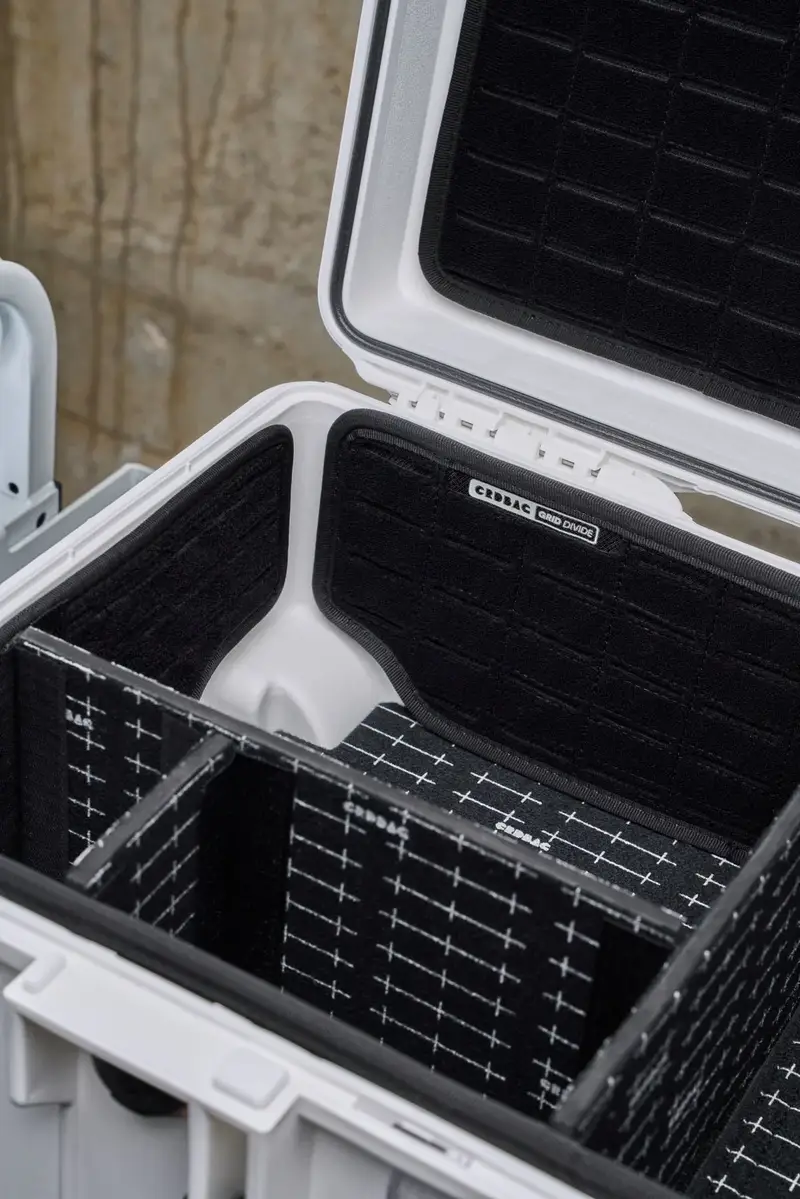
Illustrative stock photo via Pexels.
| Design | Strengths | Weaknesses | Best For |
|---|---|---|---|
| Double-zip brief | Laptop isolated from papers; fast security split; charger pocket stays put | Heavier empty; bulkier; two zippers to maintain | Laptop-plus-documents commuters, frequent flyers |
| Single compartment | Slimmer profile; lighter; fewer failure points; usually cheaper | Laptop rubs against everything; digging for small items | Tablet-only carriers, minimalists, students |
Related: Billingham Thomas Briefcase & Laptop Bag Review in 2026 (16-Inch Canvas Classic).
Double vs Single at a Glance works best as a short loop, not a single attempt. Set up once: gather what the section lists, note your baseline, and keep the comparison table open so double-zip brief stays anchored against single compartment and the third path in the table. Work the steps in order without rearranging them — the order carries the logic, and skipping ahead is the usual reason readers have to restart. After each pass, verify one observable signal (what changed, what stayed the same) before moving on. If two signals disagree, treat that as a fit problem and revisit the use-when and skip-when bullets below instead of pushing through. Provider pages and official references change faster than any guide, so re-confirm any detail you will act on in Sources.
- Use it when the fit is clean: partial matches of double vs single at a glance usually cost more time than switching now.
- Skip it when another row fits better: the table exists so you do not force one method onto every case.
- Re-check current specifics: details drift; Sources-linked primaries beat memory for double zip brief vs single compartment pros and cons.
- Finish with a verification pass: re-run the section checks once at the end rather than trusting the first pass.
When Double-Zip Organization Wins
The double-zip layout exists for one ritual: the laptop compartment opens flat for security while documents, chargers, and pens stay zipped shut in theirs. Models like the Bosca Nappa Soft double-zip add a dedicated padded 15-inch bay plus organizer wall, so the workday never becomes a dig. The price is real — second zippers, dividers, and pockets add roughly half a pound empty and an inch of depth before you pack anything.
- Use it when: you carry a laptop plus papers, chargers, and daily tools together.
- Skip it when: the load is a tablet and a notebook — organization you never touch is dead weight.
- Spec to confirm: check the padded bay against your exact laptop dimensions; 15.6-inch Windows machines vary more than 16-inch MacBooks.
When Single Compartment Wins Slimness
A single cavity with a slip sleeve does the minimalist job at the lowest weight and price: laptop slides in, everything else stacks, profile stays flat against the body on crowded trains. The failure mode is abrasion — an unprotected laptop rubbing keys and chargers all commute — solved with a $20 sleeve rather than a heavier bag. Students and tablet carriers should start here and upgrade only when digging costs real time.
- Use it when the fit is clean: partial matches of when single compartment wins slimness usually cost more time than switching now.
- Skip it when another row fits better: the table exists so you do not force one method onto every case.
- Re-check current specifics: details drift; Sources-linked primaries beat memory for double zip brief vs single compartment pros and cons.
- Finish with a verification pass: re-run the section checks once at the end rather than trusting the first pass.
The Loaded-Bulk Test Most Reviews Skip
Empty dimensions lie. Pack both finalists with your actual load — laptop, charger brick, notebook, bottle, lunch — and measure depth at the zipper line plus total weight on a kitchen scale. Double-zips typically grow 1 to 2 inches loaded while singles bulge unpredictably without dividers; over-airline-personal-item limits, that difference decides boarding friction. Run the test at home during the return window, not at the gate.
- Confirm the starting point: write down where you are before the loaded-bulk test most reviews skip so you can tell whether the step helped.
- Run one clean pass: finish the section end to end before judging it — half passes hide fit problems.
- Check the one detail readers get wrong: the spec-to-confirm bullet above; verify it in Sources for your exact case.
- Stop at the first surprise: unexpected results are fit signals, not invitations to push harder on the same path.
Commute Load Checklist
Commute Load Checklist works best as a short loop, not a single attempt. Set up once: gather what the section lists, note your baseline, and keep the comparison table open so double-zip brief stays anchored against single compartment and the third path in the table. Work the steps in order without rearranging them — the order carries the logic, and skipping ahead is the usual reason readers have to restart. After each pass, verify one observable signal (what changed, what stayed the same) before moving on. If two signals disagree, treat that as a fit problem and revisit the use-when and skip-when bullets below instead of pushing through. Provider pages and official references change faster than any guide, so re-confirm any detail you will act on in Sources.
- Use it when the fit is clean: partial matches of commute load checklist usually cost more time than switching now.
- Skip it when another row fits better: the table exists so you do not force one method onto every case.
- Re-check current specifics: details drift; Sources-linked primaries beat memory for double zip brief vs single compartment pros and cons.
- Finish with a verification pass: re-run the section checks once at the end rather than trusting the first pass.
Packing Habits That Beat Bag Choice
Packing Habits That Beat Bag Choice works best as a short loop, not a single attempt. Set up once: gather what the section lists, note your baseline, and keep the comparison table open so double-zip brief stays anchored against single compartment and the third path in the table. Work the steps in order without rearranging them — the order carries the logic, and skipping ahead is the usual reason readers have to restart. After each pass, verify one observable signal (what changed, what stayed the same) before moving on. If two signals disagree, treat that as a fit problem and revisit the use-when and skip-when bullets below instead of pushing through. Provider pages and official references change faster than any guide, so re-confirm any detail you will act on in Sources.
- Confirm the starting point: write down where you are before packing habits that beat bag choice so you can tell whether the step helped.
- Run one clean pass: finish the section end to end before judging it — half passes hide fit problems.
- Check the one detail readers get wrong: the spec-to-confirm bullet above; verify it in Sources for your exact case.
- Stop at the first surprise: unexpected results are fit signals, not invitations to push harder on the same path.
FAQ: Laptop Access, Security, and Flights
Is double-zip better for airport security?
Yes — the laptop bay opens flat while everything else stays zipped, which is the layout's founding use case for frequent flyers.
Does double-zip mean heavier?
Typically around half a pound heavier empty plus an inch of depth; weigh loaded, not empty, before deciding.
When should I choose single compartment instead?
Tablet-only loads, minimalists, and anyone whose digging costs less time than carrying organization they never touch.
Where can I verify current dimensions?
Maker spec pages for interior bay figures plus our Thomas and Bosca reviews linked below.
What is Nappa Soft leather and how do I care for it?
A soft, smooth finished leather that scuffs less than you'd fear but still wants conditioner and a dry closet. Spot-clean before you condition.
Bottom Line
Compare the options first and confirm fit before committing effort. Start from double-zip brief when its fit bullet matches, single compartment when yours points there. Run one clean pass with a written baseline, clear the troubleshooting checklist if results drift, and confirm any detail you will act on in Sources. Use the related guides below for background and nearby options.
Related Guides
- Billingham Thomas Briefcase & Laptop Bag Review in 2026 (16-Inch Canvas Classic)
- Bosca Nappa Soft Collection Double Zip Laptop Brief Review in 2026 (15-Inch Nappa Workhorse)
- Briefcase Shoulder Strap Drop Comfort Guide
- Full Grain vs Nappa Leather Briefcase Compared
Sources: Bosca — product and specification pages; maker dimension charts for laptop-bay fit. Confirm interior figures on maker pages before buying.